
Filing Folder Foray
We are very excited to announce the launch of our new expedition workflow: Filing Folder Foray.
In this new workflow we are asking you (clever citizen scientists) to transcribe the information documented on our herbarium folders. These folders store and organize the herbarium specimens that you are helping us transcribe in our main workflow. As we are in the process of digitizing the 1.5 million specimens in our herbarium, being able to include a storage location is incredibly valuable. Capturing this information will enhance the accessibility and usefulness of our collection, allowing us to find things more efficiently, while also bridging information gaps when geographic location is missing from the specimen labels.

With a maximum of three fields to fill in, and normally requiring only two, this task might seem simple, but its value is significant. We hope you can use this expedition as a little ‘brain break’ from some of the more technically detailed expeditions. Quick, relatively easy and tangibly satisfying, we hope your brain will feel accomplished and slightly refreshed from a job well done.
Now, please gather round while I tell you why we still need you in this here time of AI. These days it might seen like AI can do it all, but humans are still better at understanding context, dealing with ambiguity and transcribing handwriting. So, if you were ever in doubt, rest assured, we continue to be so grateful for the important and valuable work you do helping us. As we continue to try and wrangle our collection into a database, we are so glad you are here.
If you like this expedition, or have any comments or suggestions we’d love to hear from you!
— The Notes from Nature Team
A decade of Notes from Nature: 10 years of using community science to mobilize biodiversity data
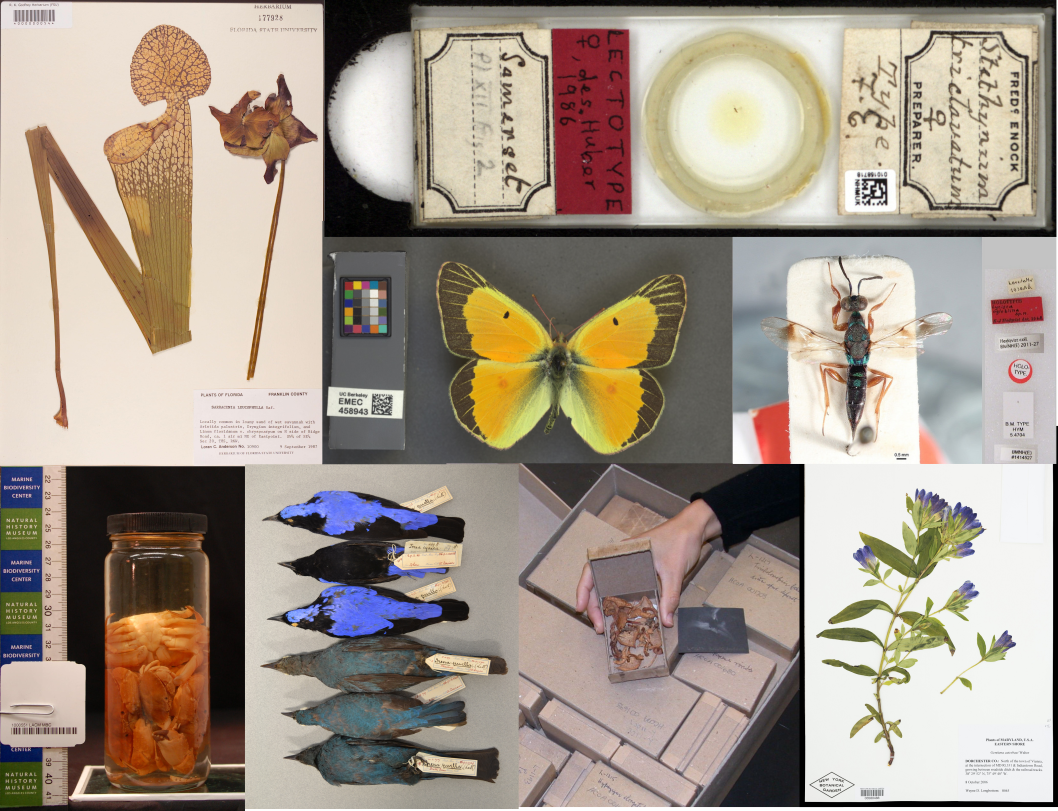
Natural history museums across the world share a common goal – to conserve and make available knowledge about natural and cultural heritage. The Notes from Nature project gives anyone with internet access the opportunity to make a scientifically important contribution towards that goal. Every transcription that is completed at Notes from Nature brings us closer to filling gaps in our knowledge of global biodiversity and natural heritage.
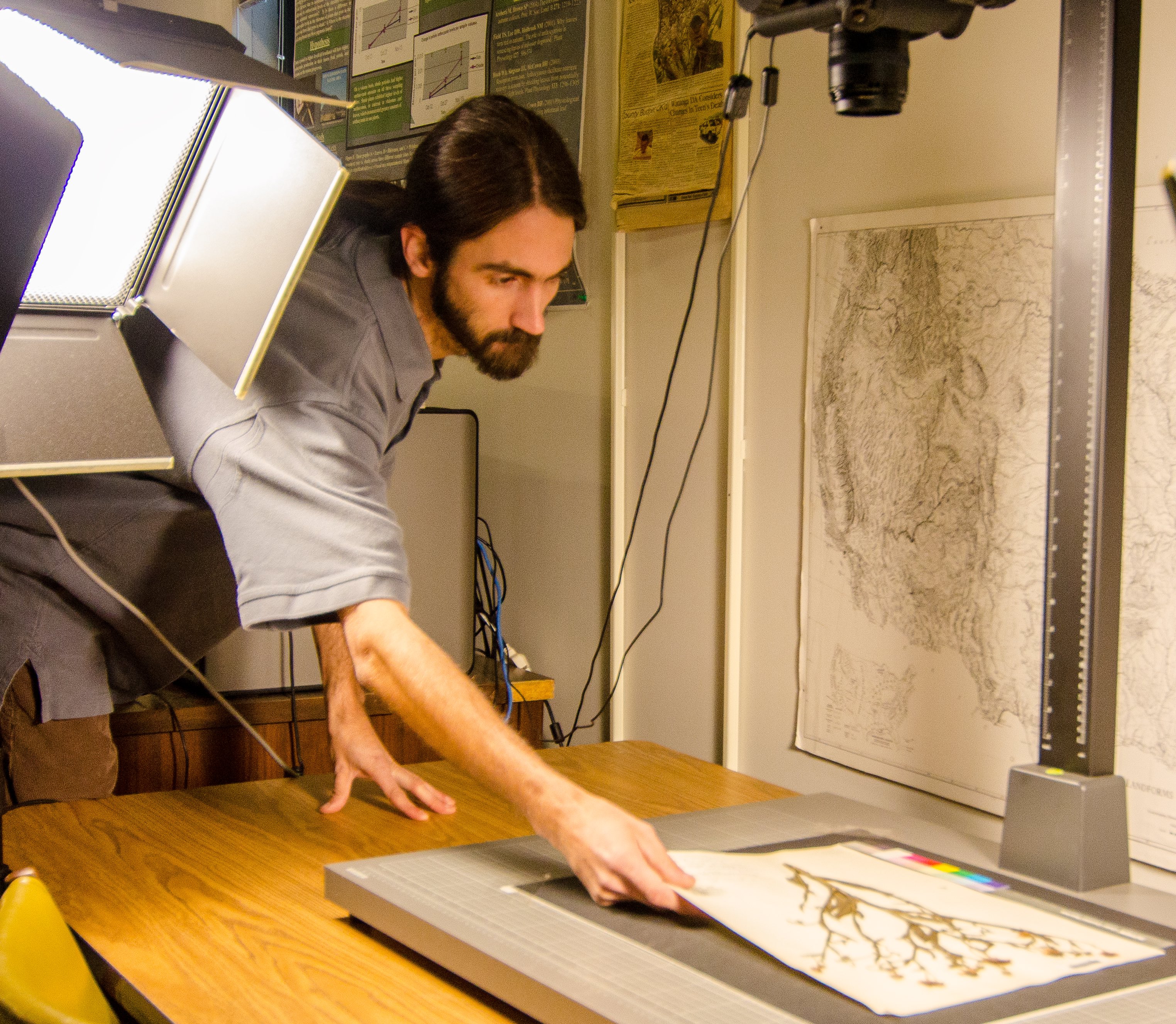
The challenge of making natural history data available for the broadest use is enormous. Today, there are ~10 billion specimens housed in natural history museums around the world. These biological collections document where species and populations exist now and where they existed decades and centuries before, so they hold irreplaceable information necessary for uncovering the patterns of changes in species distributions and ecosystem composition over time. Scientists and other stakeholders use such data and information in order to address key environmental issues we are facing right now, such as how biodiversity loss can impact human well-being, prosperity and health.
Today we celebrate 10 years of Notes from Nature and its role in making natural history data broadly available. Notes from Nature connects people with little previous experience in natural history to the wonders of the natural world. We mark this 10 year milestone by celebrating first and foremost the volunteers who have contributed over 4.7 million transcriptions to our site. We literally would not still be here if it were not for those that have contributed over the past 10 years. We also want to acknowledge our funder, the National Science Foundation, who has supported Notes from Nature through multiple grants. The Zooniverse has provided not only development and maintenance of the platform that Notes from Nature runs on, but also guidance and expertise in what they like to call “people powered research.” Lastly, we want to acknowledge our science partners who provide engaging content, critical science questions and dissemination of data contributed by Notes from Nature volunteers to the general public.

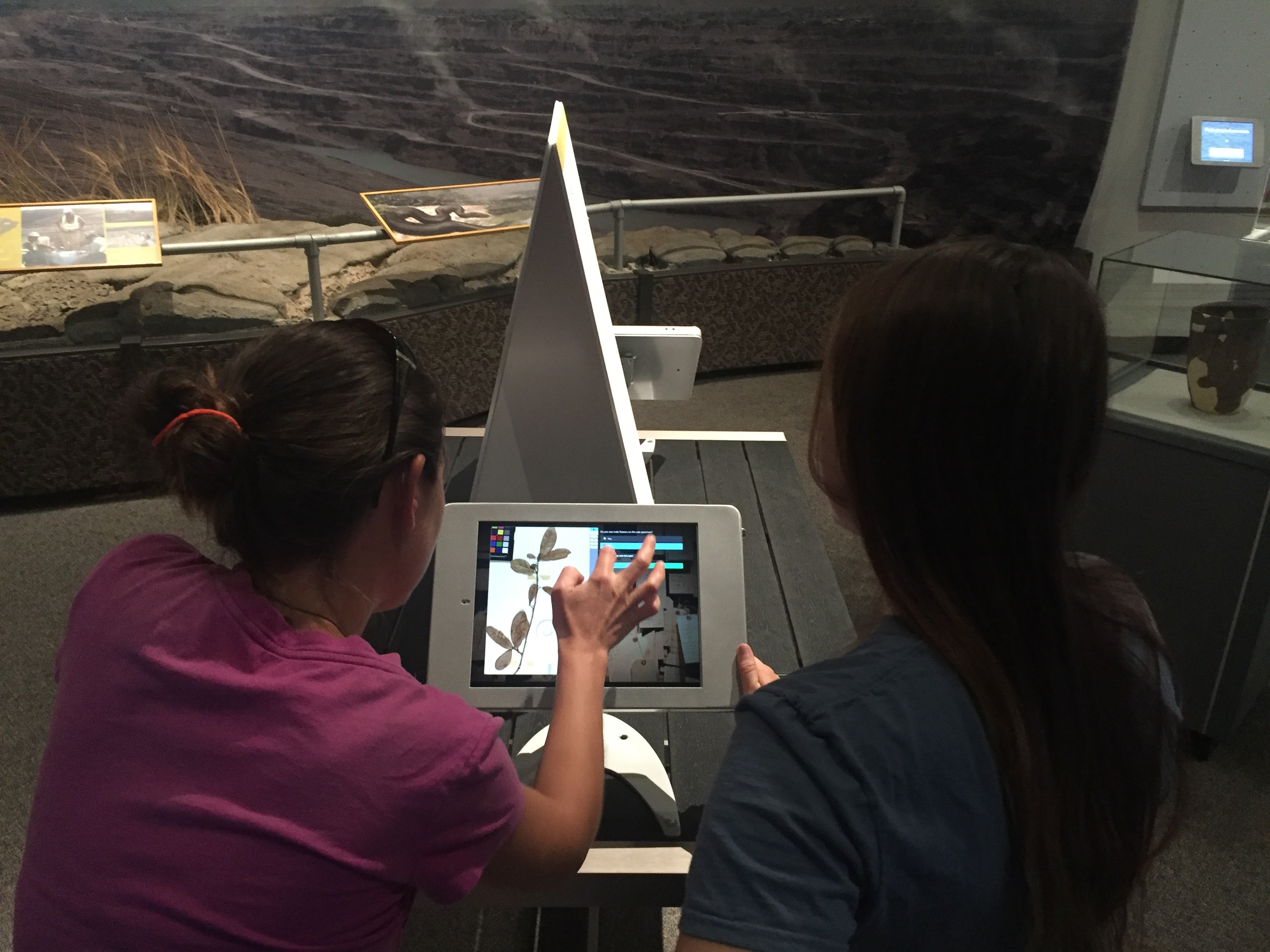
- The Notes from Nature platform has amassed 4.7 million transcriptions since launching 10 years ago
- Over 585 distinct expeditions have been completed
- Approximately 18,000 individuals that have contributed to the project
- Hosted dozens online and in person events such as transcription blitzes as well as formal and informal educational events for middle school level and above.

The next steps for Notes from Nature involve novel tools that will help make more efficient use of human efforts. Notes from Nature is an activity working on machine learning approaches that work in conjunction with community science approaches. We anticipate that machine learning will eliminate the need for human transcription in some cases, but certainly not all. Our goal is not to replace human effort, but to make better use of it. The challenge of making natural history data available for the broadest use is enormous and we need to use human effort where it is most needed such as interpreting handwritten text or applying local knowledge to people and locations to make accurate interpretations of historical specimens and information. In the coming year we are actively working to make Notes from Nature a truly next generation platform and at the same time improve volunteer experiences.
WeDigBio 2023 – Appreciation
We closed out the last day of WeDigBio April 2023 with over 2,800 classifications. That puts Notes from Nature at over 11,300 for the event. Thanks to all that made it possible!

The beetles were very popular this year closing out the week with over 4,800 classifications! If you missed the California collections tour, you can find it on YouTube. The recording of the symposium on the Major Motivations Across Scale for Digitizing Biodiversity can be found on Vimeo.
WeDigBio is now twice a year so please mark your calendar for October 12–15, 2023.
There are still lots of expeditions from a wide variety of organisms available on our site. As always feel free to contribute anytime and help by spreading the word.
— The Notes from Nature Team
WeDigBio 2023, Day 3

Thanks to everyone that contributed to Notes from Nature during Day 3 of WeDigBio 2023! We received over 2,900 classifications.
It was a big day for bees and Arkansas plants. We even completed the first Bees of the Canadian National Collection expedition. Thanks for all your efforts!
We hope everyone is enjoying the last half day or so of WeDigBio 2023. As always we’d love to hear from you if you have feedback about the event or anything else really. Please feel free to leave us some thoughts on the main Notes from Nature Talk board or you can always send a direct message to the Project Coordinator Michael @md68135 too.
— The Notes from Nature
WeDigBio 2023 – Day 2
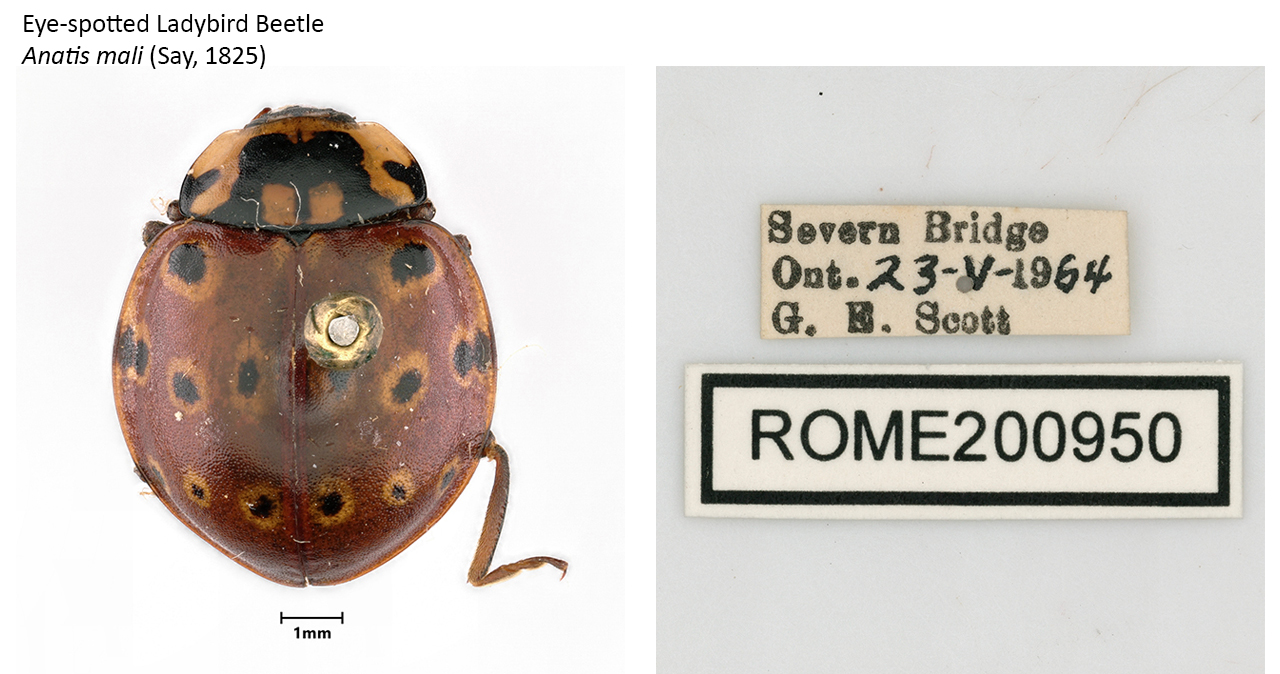
There was lots of great WeDigBio activity yesterday on Notes from Nature. We received over 3,200 classifications. Our beetle expeditions were very popular and received over 1,200 classifications alone. There was also a well attended symposium on Major Motivations Across Scale for Digitizing Biodiversity where we heard from three active leaders on biodiversity data issues.
We hope everyone is enjoying Day 3. Please help us spread the word and encourage others to participate.
— The Notes from Nature Team
WeDigBio 2023 – Day 1
We got some wonderful reports about WeDigBio day 1. In total Notes from Nature received over 2,300 classifications. Some of our colleagues from California held a well attended collectors tour. In case you missed it, you can re-watch it on YouTube.
Remember that we have a symposium today on the Major Motivations Across Scale for Digitizing Biodiversity. There is still time to join.
Thanks to all who’ve made WeDigBio possible,
— The Notes from Nature Team
WeDigBio 2023 Badge
We are keeping the tradition of the yearly WeDigBio badge going! We just rolled out another new badge just in time for WeDigBio 2023.
You can earn the badge by doing 10 classifications anytime during the WeDigBio event (April 13th – April 16th, 2023). Remember that you can see your earned badges as well as the ones you are still working towards on your Field Book. Note that Field Books are specific to a project, so you’ll need to do 10 in the same project to earn the badge. You can find out more about the Field Book and how it works in a previous blog post.
We’re excited about this years event and hope you are too.
— The Notes from Nature Team
WeDigBio next week (April 13 -16)
We’re ramping up for WeDigBio starting next Thursday (April 13). We’ve got lots of great content related to bees, plants, fleas, moths and even more beetles coming very soon.
Be sure to check out the special WeDigBio Symposium April 14 · 3 – 4pm EDT (UTC -4)
Stop by Notes from Nature anytime to check out how you can help and as always please spread the word and encourage others to participate. All you need to do is visit Notes from Nature, select a project and then an expedition to work on. Every classification helps us unlock important biodiversity data that will become publicly available.
— The Notes from Nature Team
Symposium on Major Motivations Across Scale for Digitizing Biodiversity (April 14th)

Three thought leaders reflect on major motivations to create digital info about biodiversity at international, national, and personal scales
When: Friday, April 14 · 3 – 4pm EDT (UTC -4)
Where: Online
Join us during this 1-hour symposium focused on the major motivations driving creation of digital data about the three billion insects on pins, fish in jars, fossils in drawers, plants on sheets, and other specimen types curated by the world’s museums, universities, government labs, botanical gardens, zoos, and elsewhere.
Registration: https://www.eventbrite.com/e/symposium-on-major-motivations-across-scale-for-digitizing-biodiversity-tickets-598571923737
WeDigBio: Save the date April 13 – 16

The next WeDigBio is a month away! The event will take place on 13-16 April 2023. People from all over the world join together to digitize specimen data and to celebrate biodiversity collections. We hope you join us!
This is a fun and festive weekend at NfN. We’ll have “classifying blitz” here online at Notes from Nature, where we’ll classify as many Subjects as we can during the event. There will be new expeditions, and some of our data providers will host events such as online talks, tours, and discussions (and possibly some in-person events), so you’ll have opportunities to meet them and learn about their work.
Please invite your family, friends, and colleagues to participate too: as you already do, they can support support biodiversity research by digitizing natural history collections data. You’ll be able to follow along by looking for the #WeDigBio hashtag on Twitter and Facebook.
If you are a researcher interested in using Notes from Nature in your research please reach out (notesfromnature.pm@gmail.com), we’d love to work with you for this event of one in the future.
— The Notes from Nature Team
 Notes from Nature