
WeDigBio 2022 – Day 2 Highlights
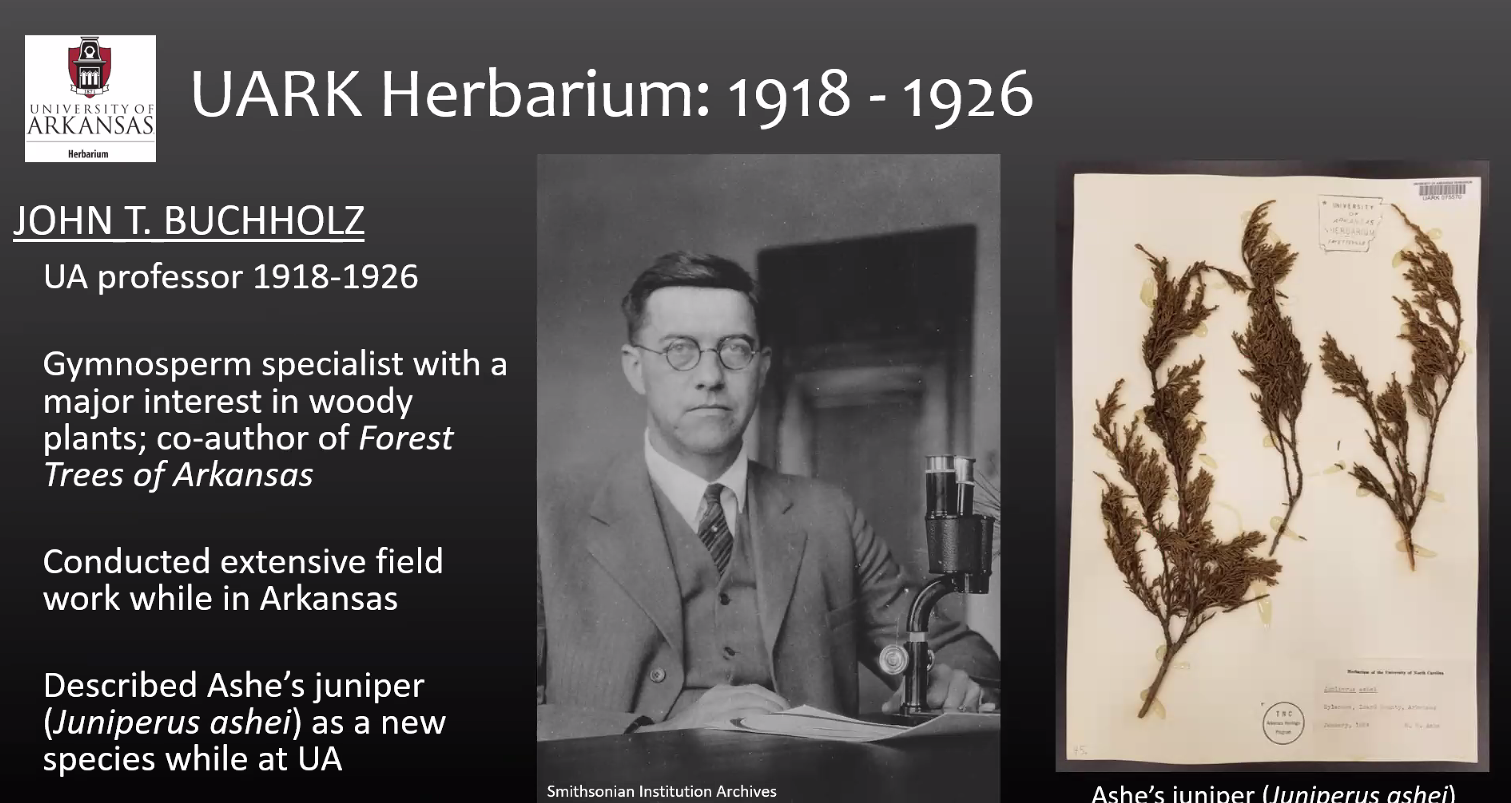
There was lots of great WeDigBio activity yesterday. We received over 3,500 classifications. With that said, what really stood out from yesterday was all the wonderful activity and engagement. There was an enthusiastic talk about the history of the University of Arkansas herbarium, whose history spans almost 150 years.
The library symposium was very well attended. In case you missed it, The Biodiversity Heritage Library slides by Martin Kalfatovic have already been posted.
We also noticed a lot of new people commenting on our Talk boards and trying out new expeditions. We wouldn’t be where we are without all of your comments, thoughts and suggestions. We so appreciate each and every one of you.
We hope everyone is enjoying Day 3. Please help us spread the word and encourage others to participate.
— The Notes from Nature Team
WeDigBio 2022 – Day 1
It was a fun and exciting first day of WeDigBio. In total Notes from Nature received over 4,700 classifications. Our Florida and Arkansas plant expeditions were particularly popular. The highest numbers were for our recently launched Digitizing Biological Collections in Canada Project. It received over 1,200 classifications as well as lots of great questions and observations.
Remember that we have a symposium today on the Critical Roles of Libraries in Understanding Earth’s Biota. There is still time to register and join in.
Thanks,
— The Notes from Nature Team
WeDigBio starts tomorrow!

The Notes from Nature team is excited for the start of WeDigBio tomorrow! WeDigBio (Worldwide Engagement for Digitizing Biocollections) is a global data campaign, virtual science festival, and local outreach opportunity all rolled into one. This 4-day, twice-a-year event mobilizes participants to create digital data about biodiversity specimens.
Notes from Nature is hosting lots of exciting expeditions featuring plants, moths, mammals, fleas and more! Remember to complete 10 transcriptions to earn your WeDigBio 2021 badge.
Also, be sure to check out our newest Project, Digitizing Biological Collections in Canada.
There are lots of cool events that you can attend online. There is still time to register for the special Symposium on The Critical Roles of Libraries in Understanding Earth’s Biota which will take place on Friday.
— The Notes from Nature Team
Specimens of Knox County, Tennessee Through Time
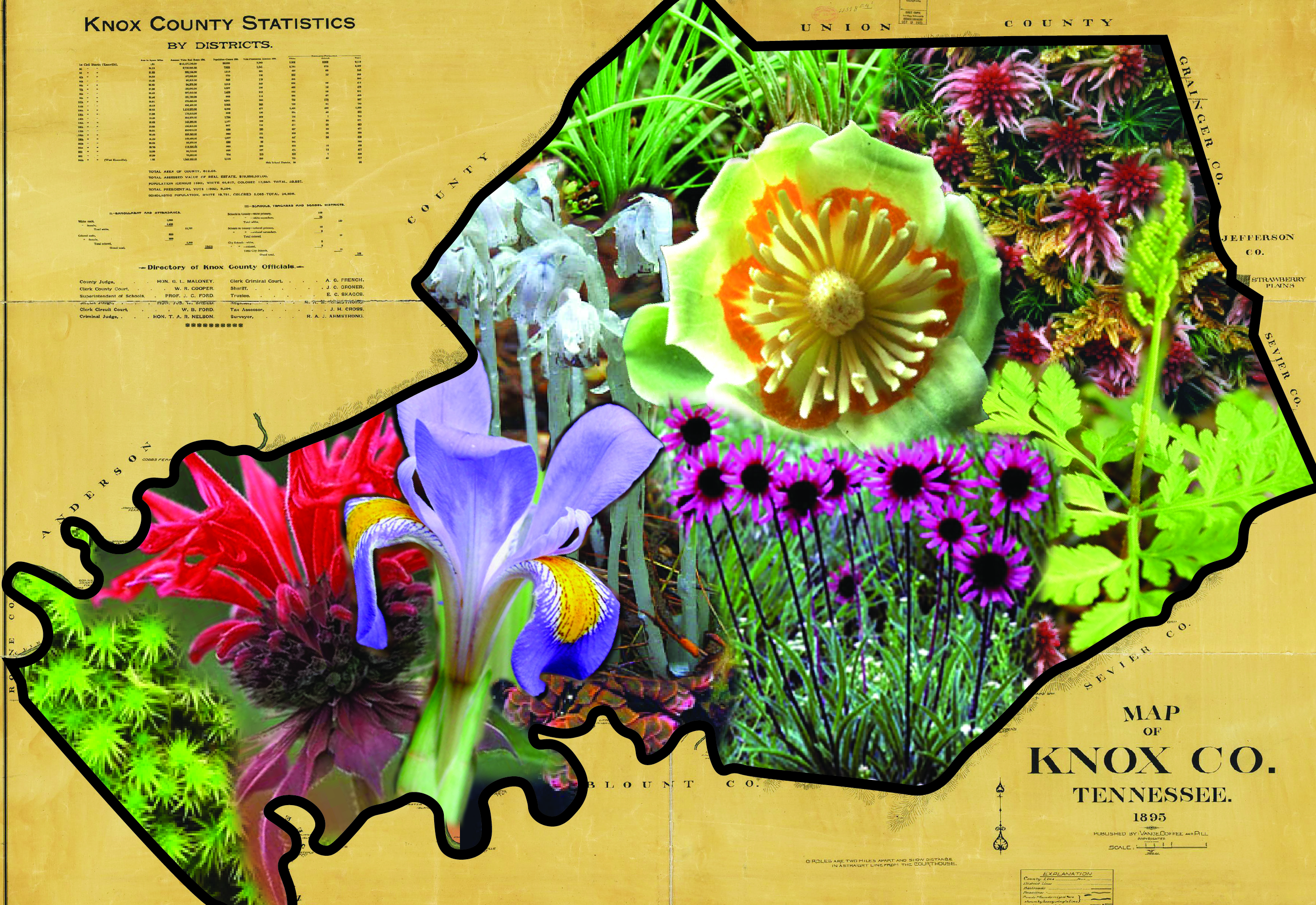
The University of Tennessee – Knoxville Herbarium (TENN) is excited to announce a Notes From Nature expedition focusing on vascular plants collected in Knox County, Tennessee! A couple years ago we were approached by a nonprofit environmental education center located in Knoxville, Ijams Nature Center. They hoped we could provide a list of specimens in our collections that were collected there in order to assist them with a species inventory. During the beginning of the pandemic TENN staff and students worked to transcribe all our Knox County, TN vascular specimens, over 5,000 of them, and although only a handful were found to be from Ijams (or the Bird Sanctuary as it was once called) we were still able to provide a species list based on what had previously been collected in surrounding areas of the county.
There are thousands of additional Knox County specimens housed in other herbaria and now we hope to focus our efforts on those. Through the help of volunteers like you we’ll be able to further ‘leaf out’ the list of species we can share with Ijams and hopefully this expedition with be just the beginning. Come help us transcribe historical specimens from as early as the mid-1800’s!
You can try it on the Southeastern US Biodiversity Project. Look for Knox County Plants Through Time, Part 1.
— Margaret Oliver, Herbarium Collections Manager, University of Tennessee Herbarium (TENN)
WeDigBio Event: Symposium on The Critical Roles of Libraries in Understanding Earth’s Biota
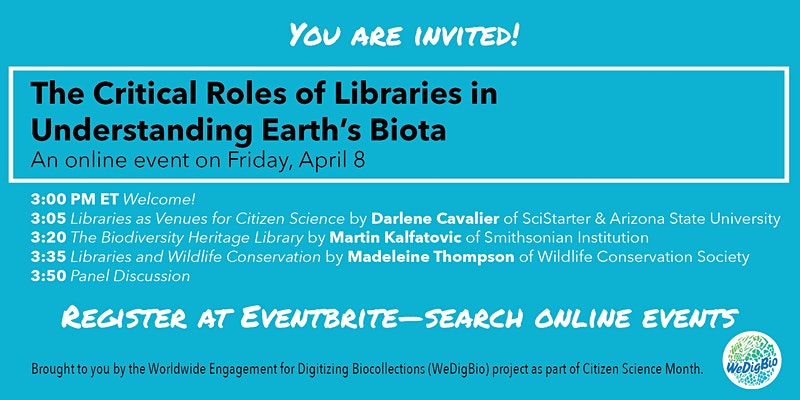
The WeDigBio Board is pleased to announce a 1-hour symposium entitled “The Critical Roles of Libraries in Understanding Earth’s Biota” on April 8 from 3–4 PM ET. Three thought leaders will reflect on the central roles of libraries in humanity’s race to understand and preserve life on our planet.
3:00 PM ET Welcome!
3:05 Libraries as Venues for Citizen Science by Darlene Cavalier (SciStarter & Arizona State University)
3:20 The Biodiversity Heritage Library by Martin Kalfatovic (Smithsonian Institution)
3:35 Libraries and Wildlife Conservation by Madeleine Thompson (Wildlife Conservation Society)
3:50 Panel Discussion
Register to join us for the event at https://www.eventbrite.com/e/symposium-on-the-critical-roles-of-libraries-in-understanding-earths-biota-tickets-302947633527
The 4-day WeDigBio event runs during Citizen Science Month from April 7–10 and occurs again from October 13–16. To learn more about WeDigBio, visit wedigbio.org; to learn more about Citizen Science Month, visit https://scistarter.org/citizensciencemonth. We’re here to help you make participation in WeDigBio and Citizen Science Month a regular part of your organization’s outreach activities—just reach out to us at wedigbio@gmail.com.
WeDigBio 2022 Badge
We are keeping the tradition of the yearly WeDigBio badge going. We just rolled out another new badge just in time for WeDigBio 2022.
You can earn the badge by doing 10 classifications anytime during the WeDigBio event (April 7th – April 10th). Remember that you can see your earned badges as well as the ones you are still working towards on your Field Book. Note that Field Books are specific to a project, so you’ll need to do 10 in the same project to earn the badge. You can find out more about the Field Book and how it works in a previous blog post.
We are getting excited this years event and hope you are too.
— The Notes from Nature Team
WeDigBio event: The University of Arkansas Herbarium: 146 years of botanical exploration and discovery
The University of Arkansas Herbarium (UARK) is the largest and oldest collection in the state of Arkansas, with specimens dating back to 1851. Join UARK collections manager Jennifer Ogle as she features some of the important plant specimens housed at the herbarium and the people who collected them during its nearly 150-year history.
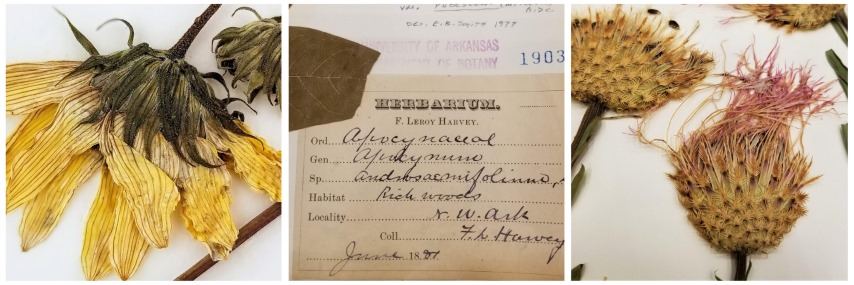
The University of Arkansas Herbarium: 146 years of botanical exploration and discovery. Presented by Jennifer Ogle, University of Arkansas Herbarium (UARK) Collections Manager.
Apr 8, 2022 10:00 AM Central Time (US and Canada)
Register in advance for this meeting:
https://ufl.zoom.us/meeting/register/tJckd-6hpjkpE9DpQ7kspTuRTleLMkPW9zxF After registering, you will receive a confirmation email containing information about joining the meeting.
Help us uncover the life’s work of Lena Artz, a hidden figure of mid-20th century Virginian botany
The goal of this project is to liberate the scientific data associated with specimens collected by Lena Artz, a hidden figure of mid-20th century Virginian botany. Lena’s biography as a pioneering woman in science can be read here: https://en.wikipedia.org/wiki/Lena_Clemmons_Artz.
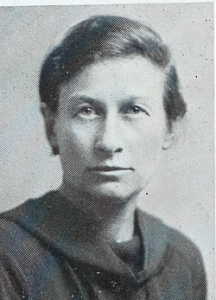
Lena Artz dedicated her life to documenting the flora of Virginia’s Massanutten Mountains and was active in the Virginia Academy of Sciences’ early efforts in developing a flora of Virginia. While her 1935 Masters’ thesis research focused on the floristics and biogeography of shale barrens in the Massanutttens, her life’s work broadly and deeply documented the flora of the state and adjacent West Virginia. Her high-quality specimens bring to light the unique biodiversity of the Central Appalachians, including its range of endemic, near-endemic and highly disjunct plant species. The first expedition of this project focuses on specimens that Lena deposited in the Massey Herbarium (VPI) of Virginia Tech.
Please check out the Southeastern U.S. Biodiversity Project on Notes from Nature now and look for Plants of Virginia: The Botanical Legacy of Lena Artz, part 1.
— Andrea Weeks, Director of the Ted R. Bradley Herbarium at George Mason University
Save the date for Spring WeDigBio : 7-10 April
Save the date: Spring 2022 WeDigBio is only a month away! The event will take place on 7-10 April 2022. People from all over the world join together to digitize specimen data and to celebrate biodiversity collections. We hope you join us!
This is a fun and festive weekend at NfN. We’ll have “classifying blitz” here online at Notes from Nature, where we’ll classify as many Subjects as we can during the event. There will be new expeditions, and some of our data providers will host events such as online talks, tours, and discussions (and possibly some in-person events), so you’ll have opportunities to meet them and learn about their work.
Please invite your family, friends, and colleagues to participate too: as you already do, they can support support biodiversity research by digitizing natural history collections data.
— The Notes from Nature Team
Digitizing Bird Bones
The Science Museum of Minnesota’s Biology Department is an accredited natural history collection of ~170,000 specimens. Highlights include the largest collection of mammals in the state, dense sampling of the flora and fauna of targeted locations within Minnesota, and specimens collected during expeditions throughout the Upper Midwest and to the Arctic, Antarctic, and Mexico. Our mission is to support and advance biological research and education, especially in the areas of evolution and climate change, by maintaining and growing a collection of regional strength and global importance.
Right now, the biggest barrier to the access of our specimens by researchers, educators, and other members of the public is the lack of a digital database of our holdings, so we are excited to launch our first Notes from Nature expedition. This first expedition will digitize the records for our osteological specimens of birds, which are used for identification by scientists who work in and visit the Science Museum of Minnesota’s Paleontology and Anthropology Departments as well as the Biology Department.
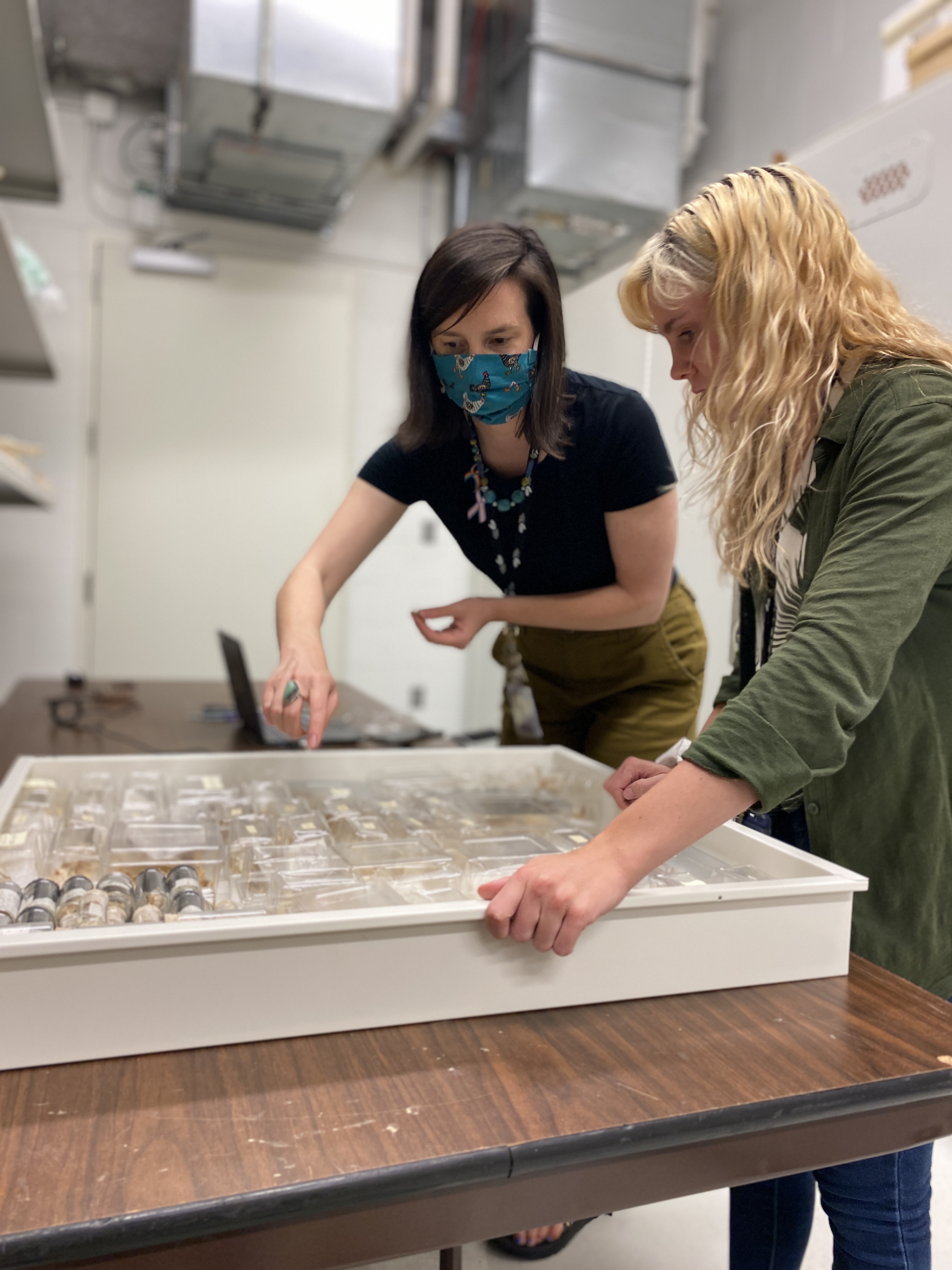

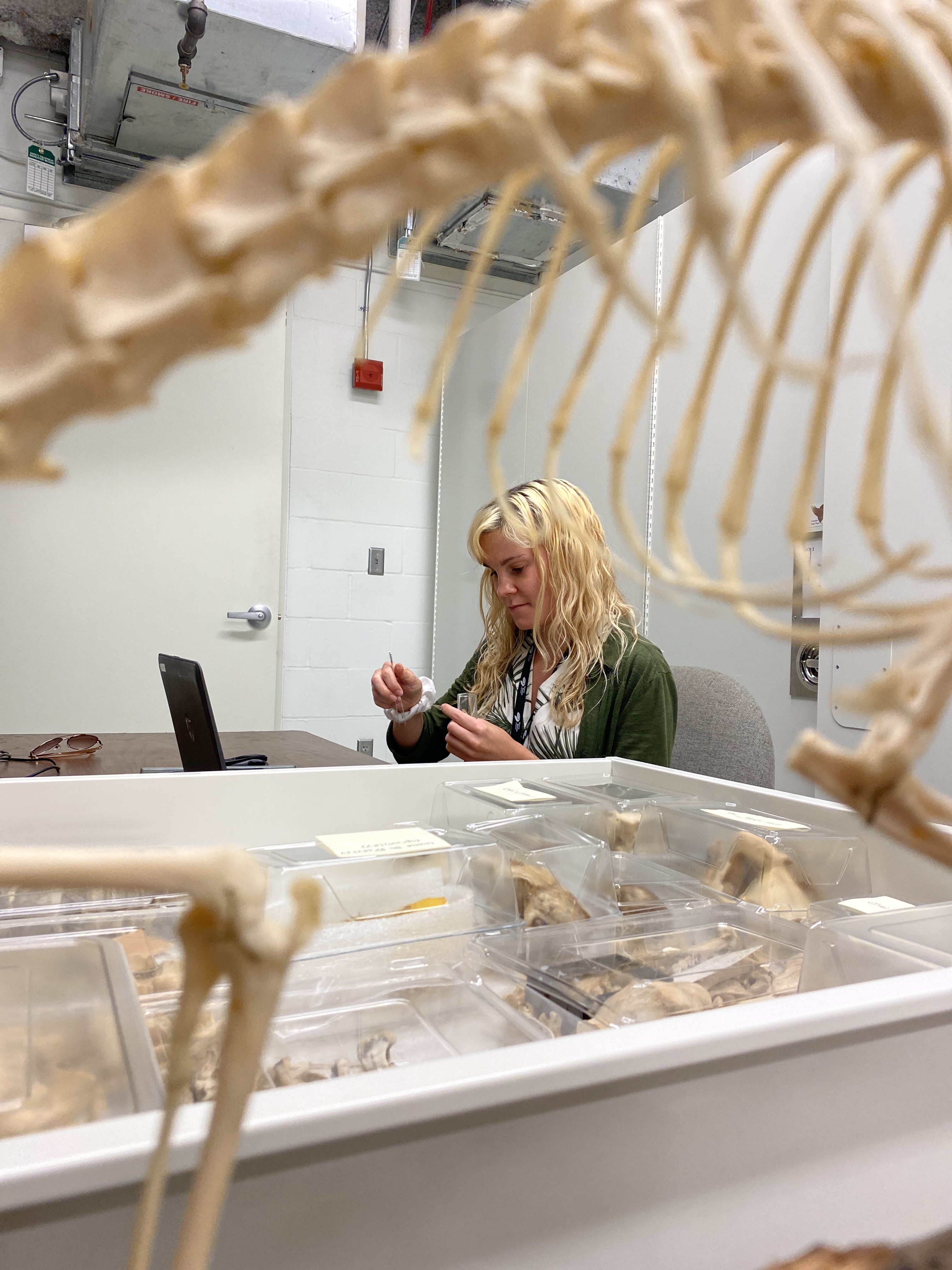
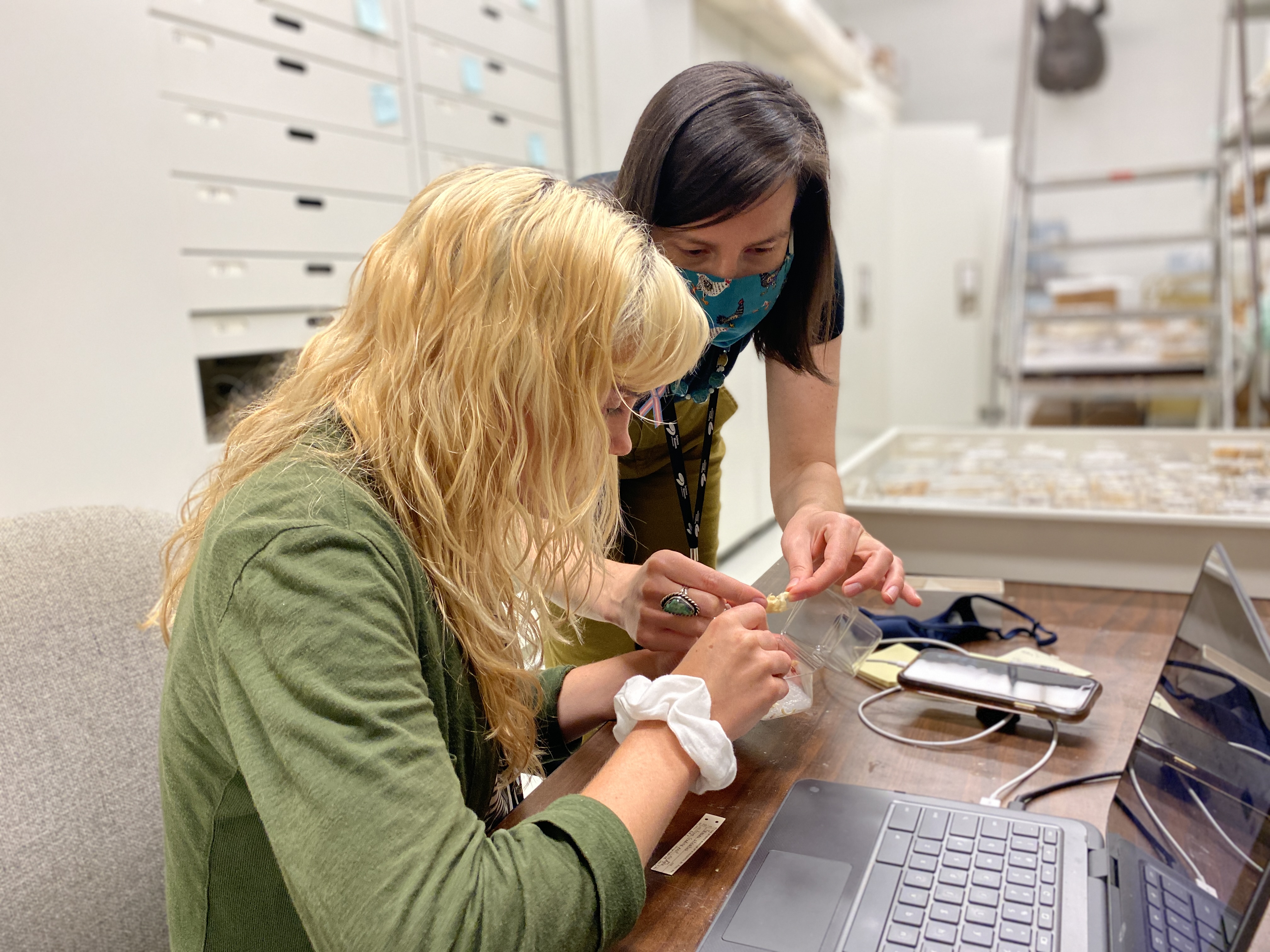
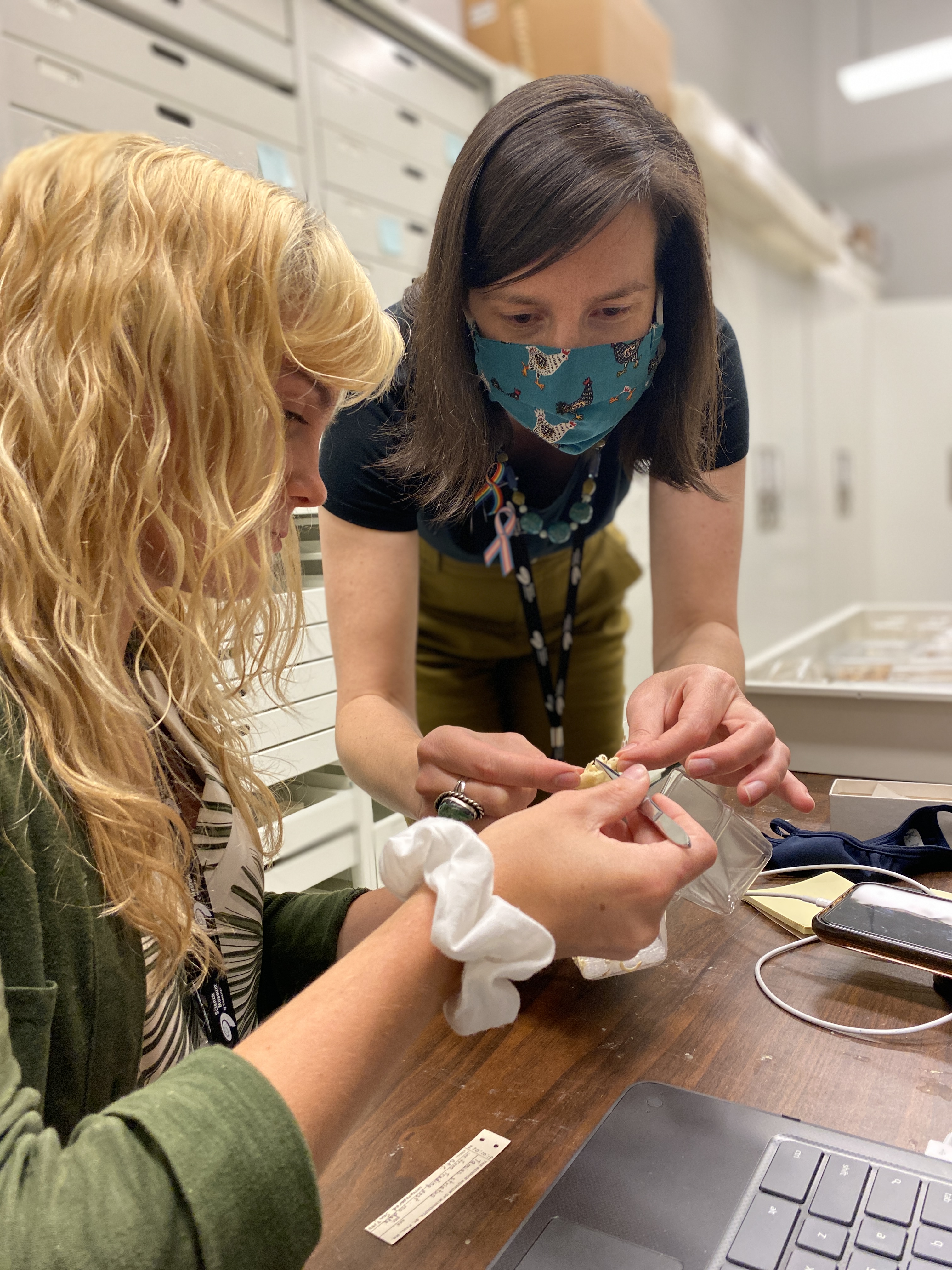
The tags being digitized in this expedition were photographed by Kari Myhran, a Macalester College student who received a Macalester Summer Internship Grant to work at the Science Museum of Minnesota. This work would be impossible without her and your contributions, which we deeply appreciate. We hope you enjoy learning about the birds in our osteology collection!
To check it out go to Notes from Nature
Select the ‘Labs’ Project from the ‘Active Projects’ list then look for ‘Digitizing Bird Bones’ on the middle of the page.
– The Science Museum of Minnesota’s Biology Department
 Notes from Nature