
WeDigBio Talk (County Floras in the Digital Age)
We are excited to announce a public talk during the upcoming WeDigBio.
This talk will be presented by Theo Witsell from the Arkansas Natural Heritage Commission. The title is ‘County Floras in the Digital Age: Using Digital Specimen and Observation Records to Promote Biodiversity Conservation.’
It will take place Saturday October 15th from 4:30-5:30 pm CT (UTC -5). A short described and registration information is posted below. We hope you can make it!
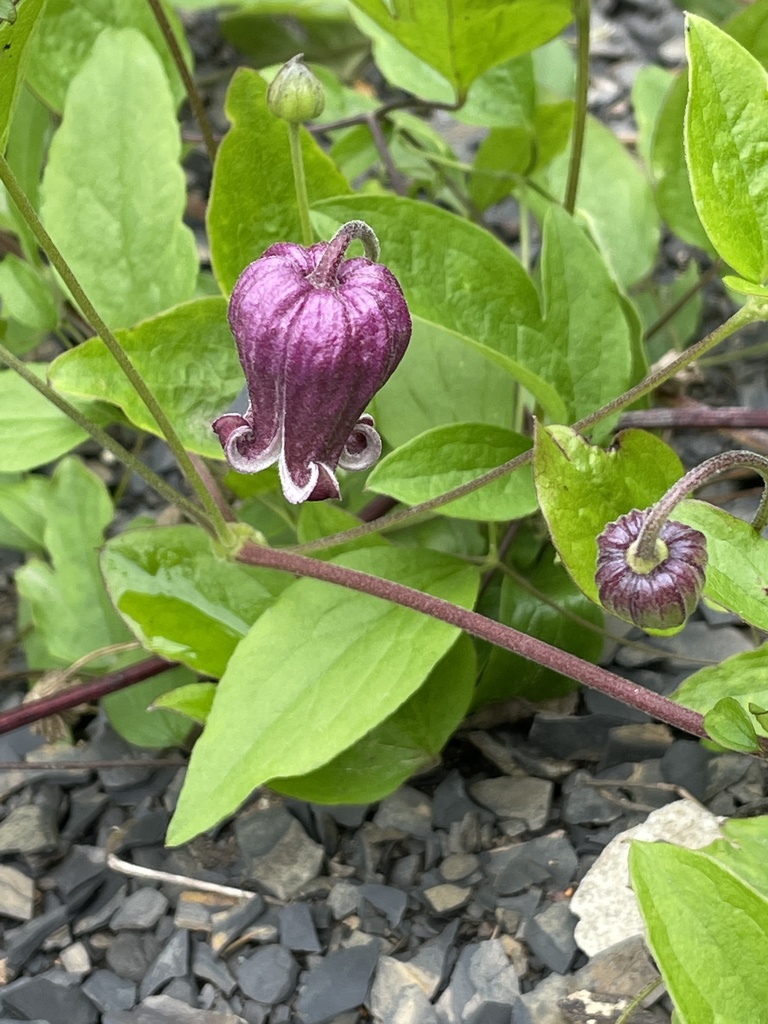
This talk will summarize the compilation of county-level floristic inventories for Benton and Washington counties, two rapidly developing counties in northwestern Arkansas, as part of the Arkansas Natural Heritage Commission’s County Natural Heritage Inventory (CNHI) process. This work made use of both traditional herbarium specimens and photographic observations on iNaturalist. The presentation will focus on the contributions from digital datasets in general and acknowledge the contributions made by volunteers who participated in specimen digitization and biodiversity documentation via iNaturalist. It will also provide some thoughts on how these digital datasets might be improved to help facilitate this work.
Register in advance for this meeting:
https://ufl.zoom.us/meeting/register/tJ0ufuuvqjwjGtap3ZWXAnO5CQc7oeBL-zdj
After registering, you will receive a confirmation email containing information about joining the meeting.
PollinLater
Pollination is the transfer of pollen from an anther (male part of a plant) to the stigma (female part of a plant). Pollination leads to the production of fruits and seeds and is therefore critical to plant reproduction including many foods that we eat everyday.
Bees are very important pollinators. Bees collect pollen and nectar for themselves and their offspring. In the process of visiting different plants bees transfer the pollen from one plant to another. This process often results in bees having pollen attached to various parts of their body.
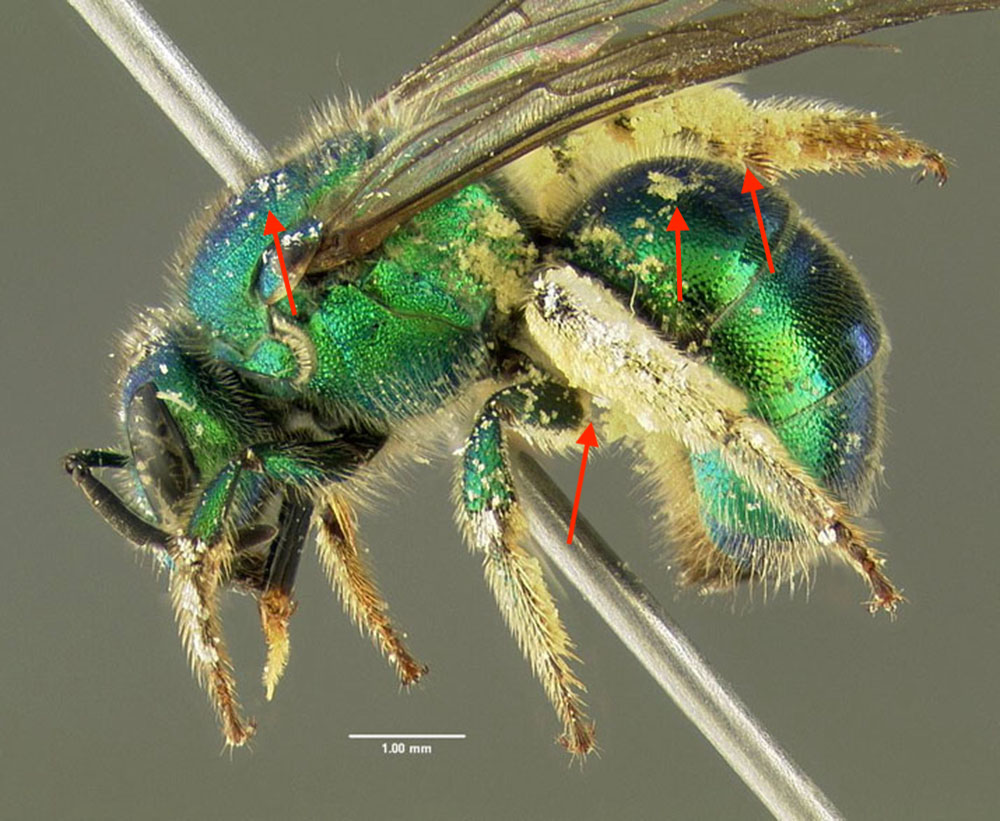
Often we get pollination information by sitting and watching plants to see what insects visit it. However, this is time-consuming and it is impossible to know that you have seen all the visitors to that plant, or that you have seen all the plants that any species will visit. One way to get this information is to look at museum specimens. Often when insects are collected they contain pollen on them from the most recent plant they visited. If we can examine many individuals we can start to get a picture of the whole community of plants each species visits.
The BigBee project would like to know more about what plants the bees have recently visited. That is why we are asking you to tell us if we see pollen on the bees in the photos. We know that this pollen might be hard to see, so we just ask that you try your best. The goal is to use the same images for label transcription, bee measurements and now pollen detection. With your help, this expedition will help us determine if that is possible!
Please give PollinLater a try and let us know what you think.
– The Big Bee Team
New expedition and a new task
We are excited to announce the next installment in our series of Digi-Leap expeditions. The Digi-Leap project is focused on developing workflows to accelerate specimen digitization and make the data broadly available to museums and stakeholders alike. These Notes from Nature expeditions directly support the development of these new Digi-Leap tools.
This new expedition contains a brand new task that has never been tried on the Zooniverse before. The basic idea is to correct blocks of text and then submit them. Volunteers will be presented with the results of OCR from specific specimen labels and then will be asked to correct issues that they find. OCR output can have three types of errors; substitutions, deletions and insertions. We’ll ask you to try your best to match the OCR output text with the text on the original label and make any needed corrections.
Since this expedition contains a new task we are launching this as a ‘beta’ expedition and asking for additional feedback. We’d be grateful if you could try out the expedition and give us feedback via a form.
If you like to edit and correct things then this expedition is for you! Please give OC – Are They In Need Of Correction? a try and let us know what you think.
– The Notes from Nature Team
WeDigBio: Save the date October 16 – 19

The next WeDigBio is a month away! The event will take place on 13-16 October 2022. People from all over the world join together to digitize specimen data and to celebrate biodiversity collections. We hope you join us!
This is a fun and festive weekend at NfN. We’ll have “classifying blitz” here online at Notes from Nature, where we’ll classify as many Subjects as we can during the event. There will be new expeditions, and some of our data providers will host events such as online talks, tours, and discussions (and possibly some in-person events), so you’ll have opportunities to meet them and learn about their work.
Please invite your family, friends, and colleagues to participate too: as you already do, they can support support biodiversity research by digitizing natural history collections data. You’ll be able to follow along by looking for the #WeDigBio hashtag on Twitter and Facebook. If you are more of an email person, you can sign up for the Notes from Nature email list here: https://mailchi.mp/b98cfe95091f/notes-from-nature. This is a new list we are going to use for occasional announcements and information about the project. Note that we won’t share the list with anyone else and you can unsubscribe at any time.
— The Notes from Nature Team
R. Dale Thomas
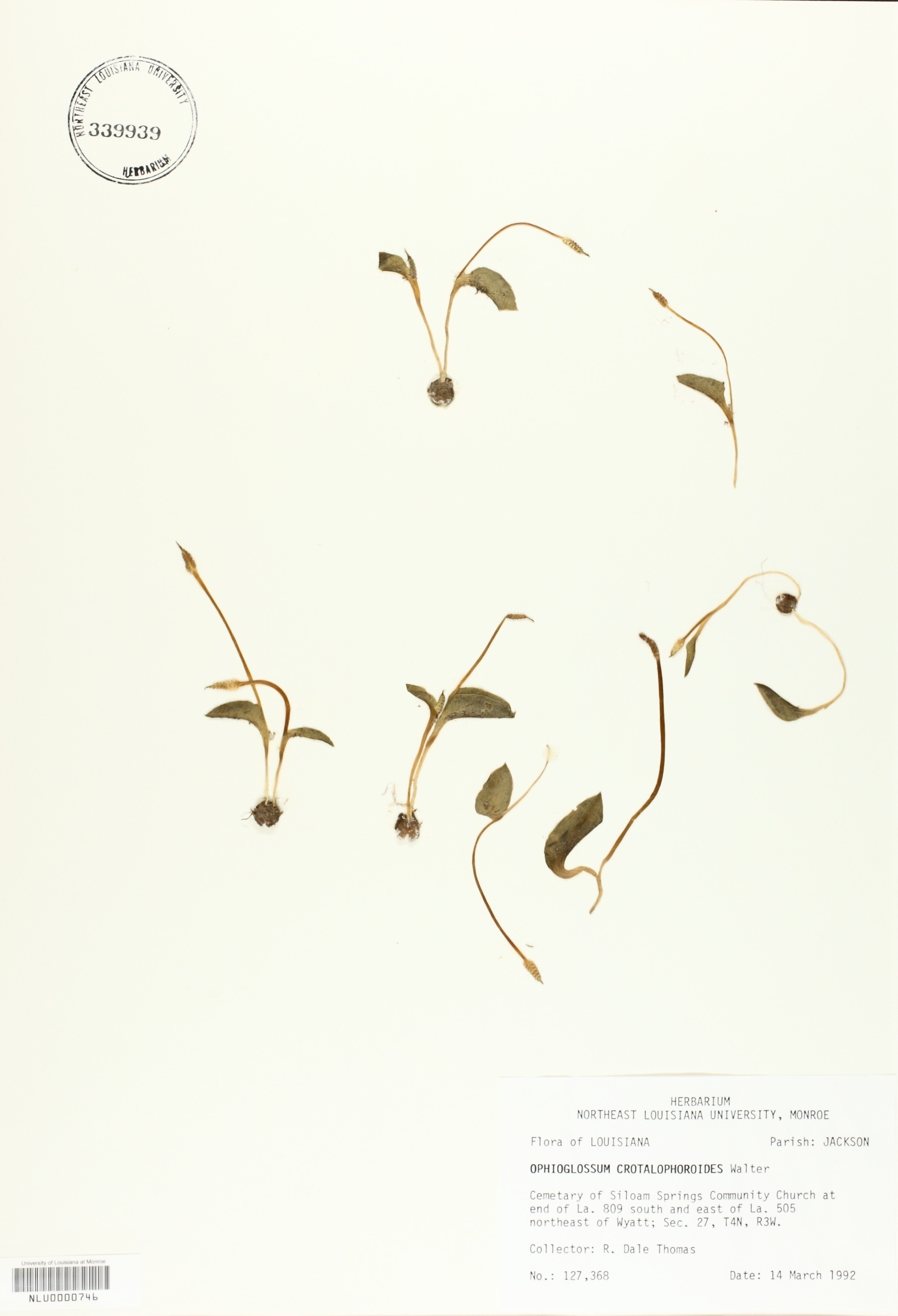
We wanted to share the news of the passing of R. Dale Thomas. He was born November 12, 1936 and died May 28, 2022. He was a professor of botany and curator of the herbarium at University of Louisiana at Monroe, Louisiana U.S.A.
His specimens have been a common feature on Notes from Nature over the years and his contributions to our knowledge of plant diversity were enormous. He is likely the most prolific plant collector ever with over 174,000 specimens.
He shared his knowledge of plants with his community, generations of students, and researchers around the world. His specimens are now housed at the Botanical Research Institute of Texas. The following images show R. Dale Thomas visiting the Botanical Research Institute of Texas in 2018 to make sure his collections were all in order after the transfer from the University of Louisiana at Monroe.

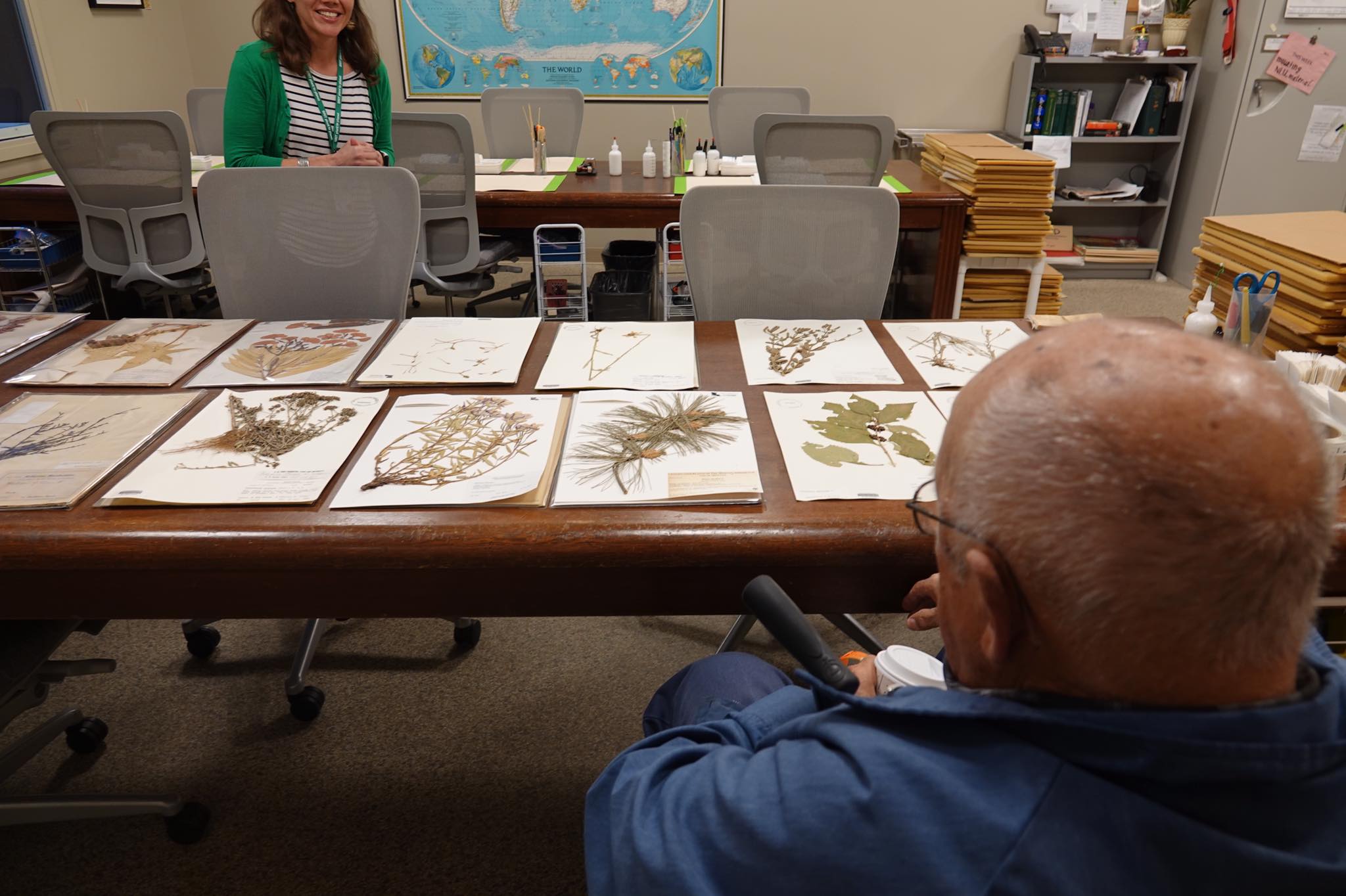
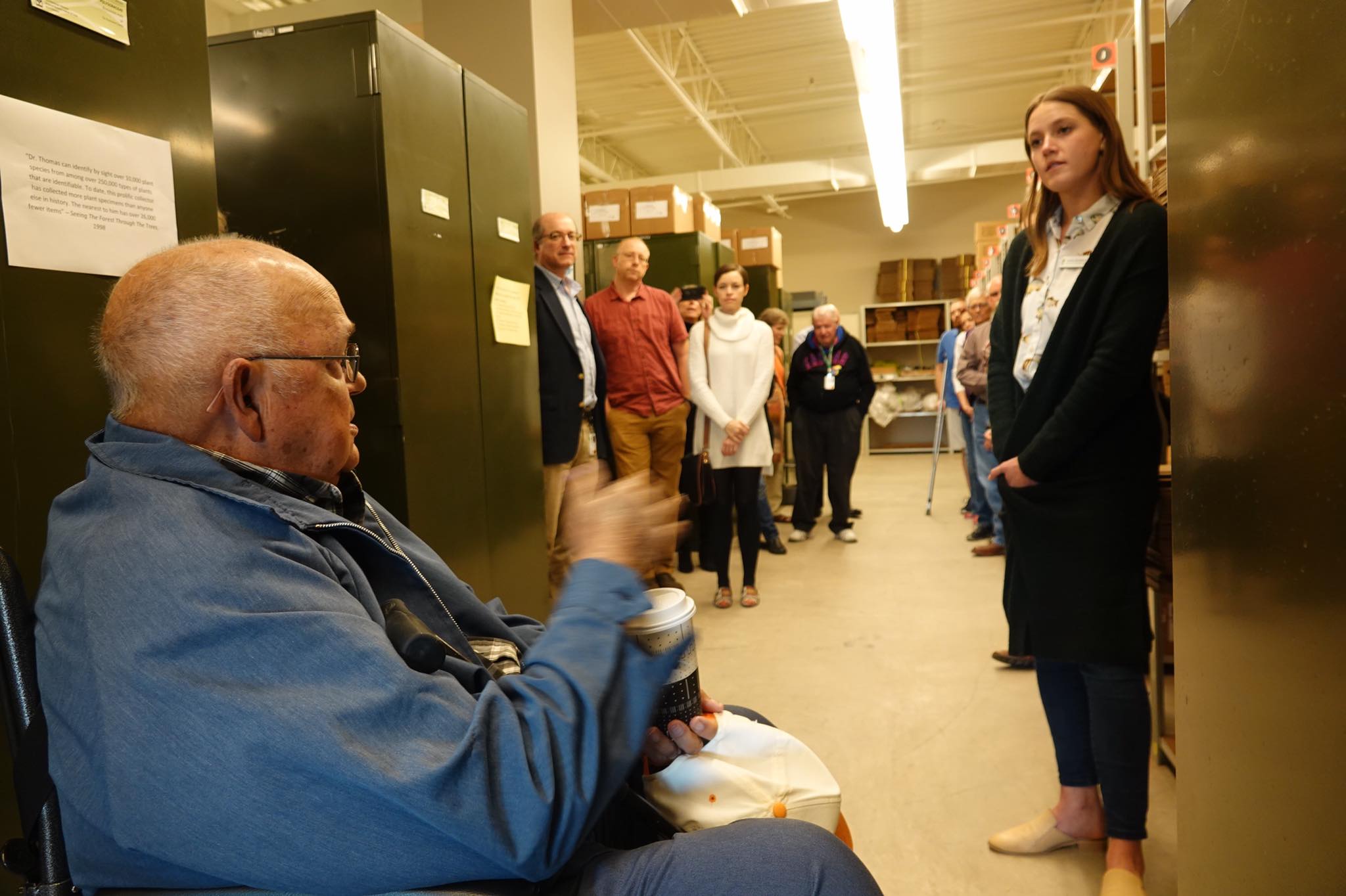
We’d like to take this moment to honor his legacy and his monumental contribution to the knowledge of the natural world. To see some of his specimens check out our current Notes from Nature expedition called Dr. Thomas’s Treasures from the Southeastern US & BEYOND #2 which is focused on his specimens.
You can also view many of his specimens on the SERNEC data portal.
Full Obituary: Roy Dale Thomas’s obituary
— The Notes from Nature Team
Help us finish Rise of the Machines
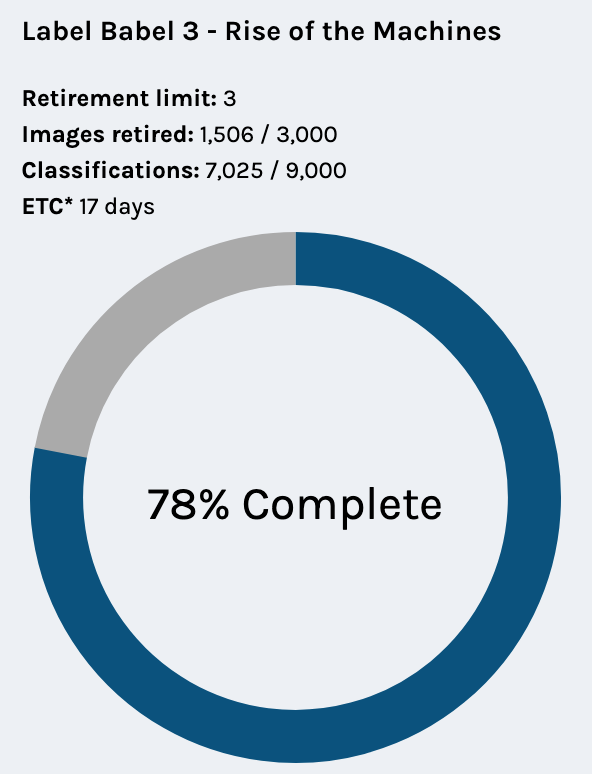
Many thanks to all that have helped with Label Babel 3 – Rise of the Machines so far. This expedition is now 78% complete, so we could still use some more help.
For Label Babel 3 – Rise of the Machines we’re asking for your help with the label segmentation part of our Digi-Leap workflow. Label segmentation is the process of automatically pulling the labels off of the specimen images. This process makes the next step of text extraction more effective since there will be less clutter in the image. The results of our previous expedition were promising, but we recently realized that we wanted to further refine the model. For this expedition we’ll focus on showing you how the labels are getting segmented and ask you to evaluate the results.
Please log on and do 10 classifications on Label Babel 3 – Rise of the Machines today! We are anxiously awaiting the results so we can feed them back into our model.
– The Notes from Nature Team
Big Bee Bonanza
Our collections have been busy bees all a-buzz getting this project ready to launch – and now it’s finally ready! Want to help us save the bees from the comfort of your laptop, tablet, or other electronic device? We thought you might 🙂
The Notes from Nature project, Big Bee Bonanza, was created as part of the Big-Bee network, which brings together collections from all over the US that have, you guessed it – bees that need to be digitized! With this project you will be helping scientists to track changes in bee body size across geographic space and time. We will be able to answer many important questions such as, Are bees bigger at higher elevations? Are they smaller during drought years? What plants do bees like the best? You can help researchers answer these and many other questions about bee biodiversity, which will in turn help provide the information needed to try and save these amazing creatures.
The Big Bee Bonanza project has two very different kinds of expeditions you can help with. The first kind is similar to other Notes from Nature projects where you can help us transcribe important label data from bee specimen labels. While this may not seem that important, this information is crucial for tracking species through time and space and monitoring their populations. We have also added a host plant field to our label digitization projects. Host plants are often recorded on bee specimen labels and it refers to the flower the bee was visiting at the time it was collected. Believe it or not, we still don’t know a whole lot about what flowers bees need for pollen and nectar, so this is super useful information!
The second kind of expedition is brand new for the Notes from Nature forum. For these expeditions, we ask you to measure bee body size using a novel measurement tool! In these expeditions, you will get up close and personal with beautiful bees (by zooming in on your screen!), set a scale bar, and measure the distance between wing pads, or tegulae (the bits that look like 1990s shoulder pads – make sure you watch the how-to video we made). The measurement you take can be used to approximate bee body weight and overall size. This is critical information for learning about both individual and population-level bee health. With so many bees that we still need to learn about, we need your help to collect this data. Plus, it’s a great excuse to get a close-up look at bees from around the world!
Thank you for your help and we look forward to hearing from you about this new tool and answering your bee questions.
Get involved and give the project a try!
– Katja Seltmann, UC Santa Barbara, Cheadle Center for Biodiversity and Ecological Restoration
– Erika Tucker, Milwaukee Public Museum & Biodiversity Outreach Network (BON)
9th Anniversary!

Happy 9th Anniversary to Notes from Nature!
It’s been 9 amazing years. We wouldn’t be here without our wonderful volunteers, science partners, data providers, the Zooniverse team and of course for our sponsor the National Science Foundation, so today we are celebrating all of you and the contributions that you’ve made.
As always we’d love for you to visit Notes from Nature and do a few transcriptions today! We’d also like to invite you to join our new email list. You can sign up here: https://mailchi.mp/b98cfe95091f/notes-from-nature . This is a new list we are going to use for occasional announcements and information about the project. Note that we won’t share the list with anyone else and you can unsubscribe at any time.
With gratitude,
The Notes from Nature Team
Label Babel 3 – Rise of the Machines
We are excited to announce our next installment in the Digi-Leap series. The Digi-Leap project is focused on developing workflows to accelerate specimen digitization and make the data broadly available to museums and stakeholders alike.
In this newest installment we’ll be asking for your help again with the label segmentation part of our workflow. Label segmentation is the process of automatically pulling the labels off of the specimen images. This process makes the next step of text extraction more effective since there will be less clutter in the image. The results of our previous expedition were promising, but we recently realized that we wanted to further refine the model. For this expedition we’ll focus on showing you how the labels are getting segmented and ask you to evaluate the results.
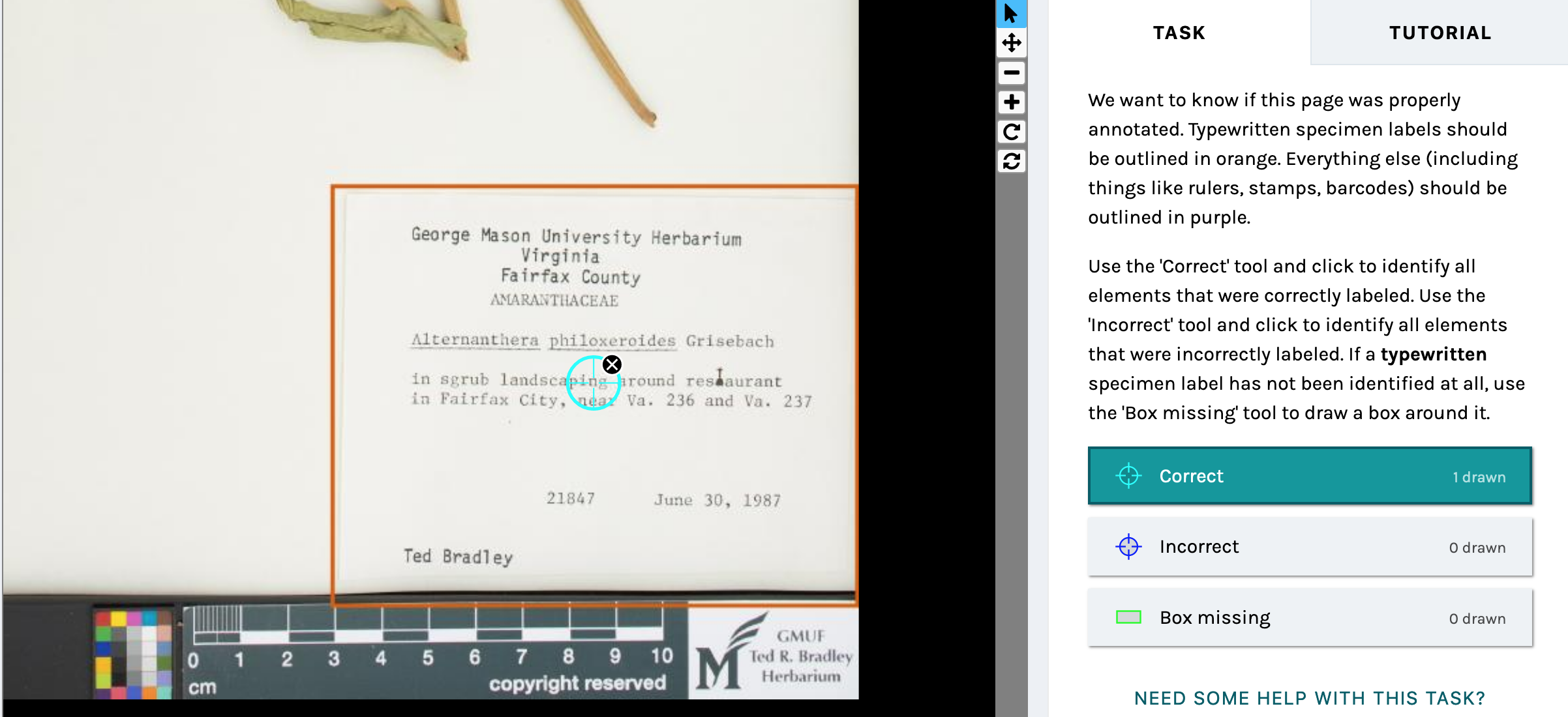
Please give Label Babel 3 – Rise of the Machines a try and let us know what you think.
– The Notes from Nature Team
Celebrate Earth Week and Earth Day with Notes from Nature
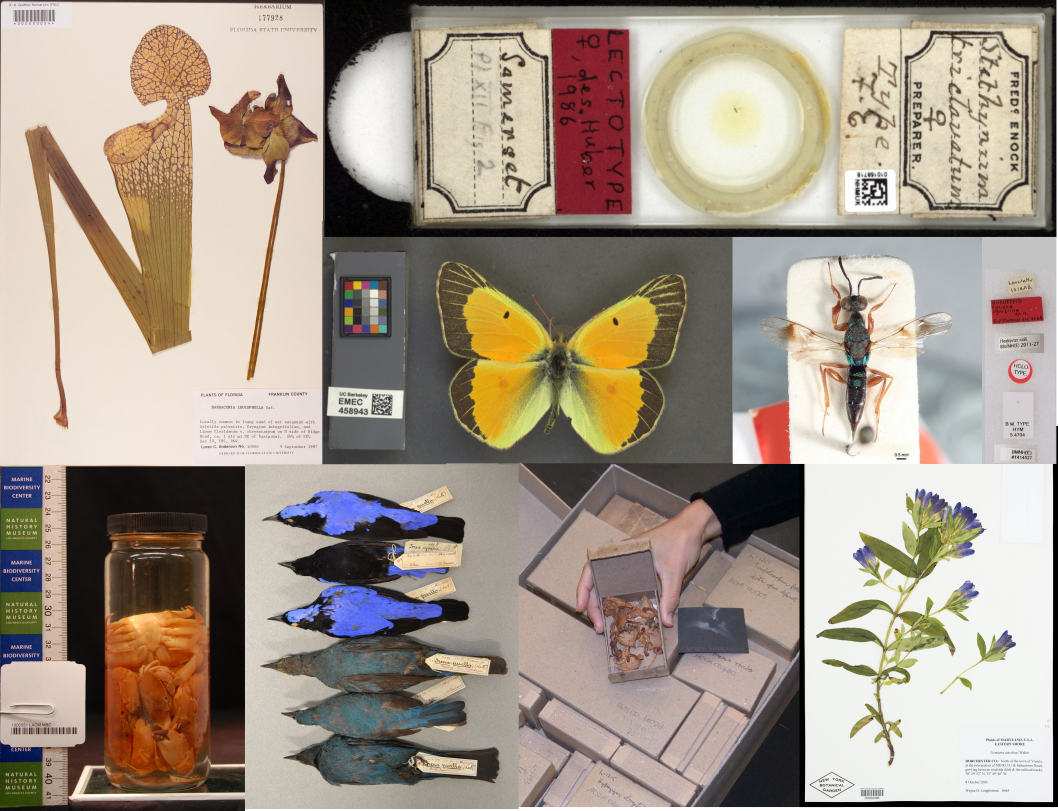
It’s Earth Week and Earth Day is coming up on April 22. We can all help the planet by continuing to document natural history specimens all around the world! Remember that all of the data generated on Notes from Nature makes its way to public biodiversity portals for anyone to use for science, education, art or whatever.
Please consider logging into Notes from Nature this week and classifying some specimens. There are lots of fun expeditions to work on.
— The Notes from Nature Team
 Notes from Nature