
WeDigBio 2023 – Thank you
We closed out WeDigBio October 2023 with over 11,100 classifications. Thanks to all that made it possible! We sincerely appreciate all the symposium talks, onsite and virtual events, everyone that stopped by Notes from Nature and helped us spread the word.

There are still lots of expeditions from a wide variety of organisms available on our site. As always feel free to contribute anytime and help by spreading the word.
— The Notes from Nature Team
WeDigBio so far
It’s been an exciting October WeDigBio so far. Notes from Nature has received over 6,000 classifications in the past two days. Thanks to all that attended the symposium on hyperlocal collections.
We are particularly excited about the support our new projects have received. Capture the Collections (plants and lichens from Canada) has been very popular and even completed it’s first expedition! Please give it a try it a try.
We also launched a very cool Salamander project called Cybermander. This is an important study that helps us understand thermoregulation habits of amphibians. Please check it out if you can.
We hope you enjoy day 3 of WeDigBio and please help us spread the word.
— The Notes from Nature Team
Introducing: Project Cybermander!
Amphibians worldwide are at risk of disease caused by chytrid fungal pathogens, which have caused drastic declines in some species. There are two main disease-causing members of this group- Batrachochytrium dendrobatidis or Bd and Batrachochytrium salamandrivorans (also known as Bsal). While Bd is endemic to the US- that is, it is present in the US and has not been implicated in large population declines- Bsal is not yet present in the wild in the US. The potential emergence of Bsal in the USA threatens salamander populations, as the US (and specifically, the Appalachian mountains) contains the highest diversity of salamander species in the world. Many of these species belong to a family of salamanders that do not have lungs (Plethodontidae)- so they rely solely on their skin to breathe. Because these fungal pathogens attack the skin (the species name of Bsal, salamandrivorans, literally translates to “salamander-eating”), these lungless salamanders are especially at risk if infected with these chytrid fungi.

Several studies have been conducted to evaluate disease risk of Bsal in the laboratory with many species, but most are conducted at a single temperature, optimum for the growth of Bsal. These controlled experiments are important, but do not account for how salamanders may behave in the wild, when they have access to different thermal environments. Salamanders are ectotherms- meaning their body temperature changes based on their environment. Some would call this “cold-blooded”, but they are only “cold-blooded” in cold places; when they are in warmer microhabitats they are warm!
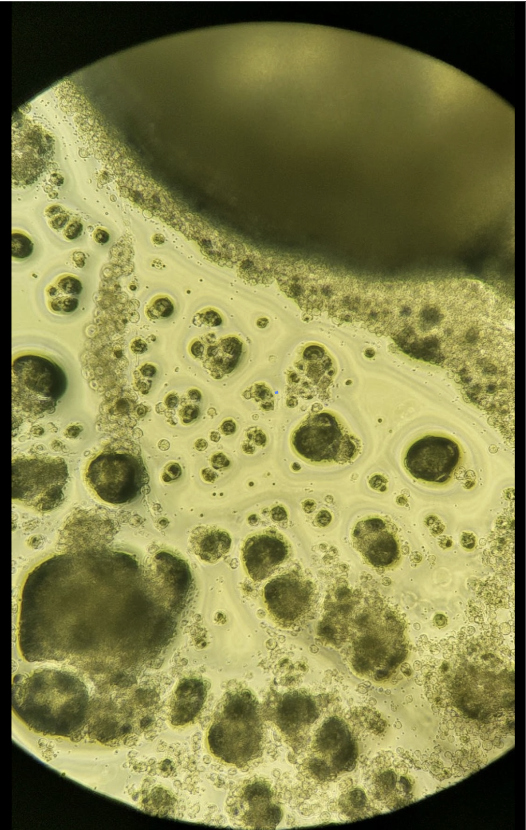
Little is known about thermoregulation habits of amphibians (how and when they decide to choose different temperatures), especially salamanders, so it is important to fill gaps in this knowledge to make disease-risk projections. This experiment aims to characterize the behaviors of salamanders that are exposed to the fungal pathogen Batrachochytrium salamandrivorans, or Bsal. This is a component of a multi-part project supported by National Science Foundation Postdoctoral Research Fellowships in Biology Program under Grant No. 2109663 to Dr. Natalie Claunch in collaboration with Dr. Ana Longo and Dr. Rob Guralnick at University of Florida. This project was conducted under approved permits and animal care and use committee protocols.
This is where we can use your help as a member of Zooniverse and as a community scientist in Project Cybermander. We have collected image data of salamander behavior in an experiment where some individuals have access to thermal gradients, and some individuals are exposed to a pathogen. Our objective, with your help, is to classify the position of salamanders in their enclosure. These data will help us understand how salamanders behave when they have access to thermal differences in their environment, and how they behave with and without thermal gradients after pathogen exposure. Then, we can apply this information to make more accurate predictions about disease susceptibility. We are so excited to have you on the Project Cybermander team!
New Project – Capture the Collections!
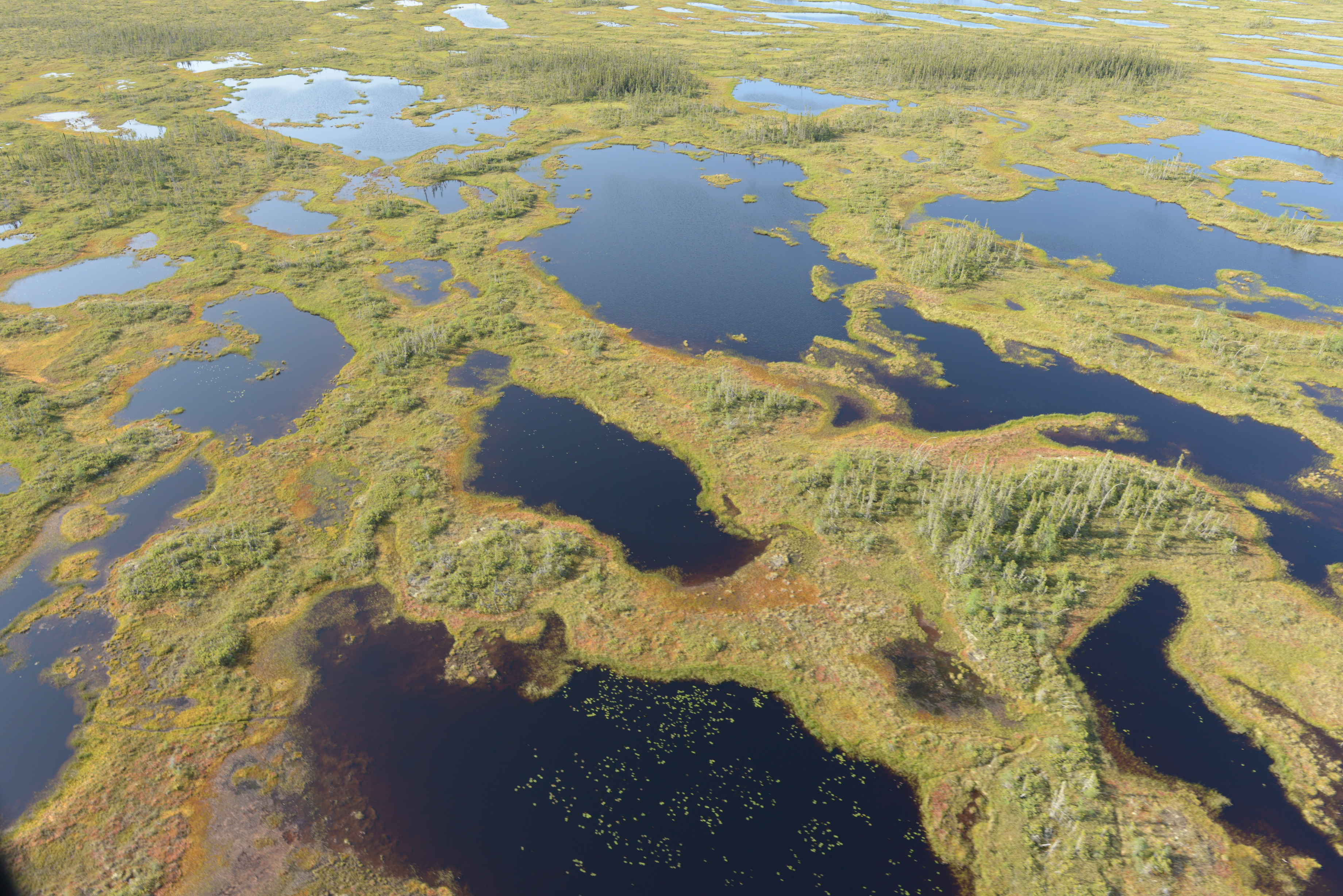
We are thrilled to announce our newest digitization project: “Notes from Nature – Capture the Collections!”
We’re also excited to be rolling out our first set of workflows under the banner “Letters from Lowlands – Flora of the Hudson Bay Lowlands.”
In partnership with Parks Canada, we are imaging vascular plant, lichen, and bryophyte specimens collected in the Hudson Bay Lowlands region of Canada. Transcribing data from these images allows people to find and use the incredible wealth of information these specimens hold. By participating in the project, you’ll contribute to enhancing the understanding of plant and lichen biodiversity in this region, providing valuable information for future research and land use decisions.
The transcribed data will be shared publicly worldwide through data repositories like GBIF and the CreeGeoHub.
Some of you might remember the Canadian Museum of Nature team from our previous Zooniverse project, Expedition Arctic Botany, which concluded in 2021. We’re now delighted to have a new home on Zooniverse, with space to host all our upcoming community science projects. Follow “Capture the Collections” and all our future initiatives here: https://www.zooniverse.org/projects/cmnbotany/notes-from-nature-capture-the-collections
We’re excited to collaborate with you on this project!
Best regards,
Kim, Lyn, and Jennifer
Francais (DeepL):
Bonjour à tous,
Nous sommes ravis d’annoncer notre nouveau projet de numérisation : “Notes de la nature – Capturer des collections !”
Nous sommes également ravis de lancer notre premier ensemble de flux de travail sous la bannière “Lettres des basses terres – Flore des basses terres de la baie d’Hudson.”
En partenariat avec Parcs Canada, nous prenons des images de spécimens de plantes vasculaires, de lichens et de bryophytes collectés dans la région des basses terres de la baie d’Hudson au Canada. La transcription des données de ces images permet aux gens de trouver et d’utiliser l’incroyable richesse d’informations que contiennent ces spécimens. En participant à ce projet, vous contribuerez à améliorer la compréhension de la biodiversité des plantes et des lichens dans cette région, en fournissant des informations pour les recherches futures et les décisions relatives à l’utilisation des terres.
Les données transcrites seront partagées publiquement dans le monde entier, par l’intermédiaire de dépôts de données tels que le GBIF et le CreeGeoHub.
Certains d’entre vous se souviendront peut-être de l’équipe du Musée canadien de la nature lors de notre précédent projet Zooniverse, “Expedition Arctic Botany,” qui s’est achevé en 2021. Nous sommes ravis d’avoir un nouveau site sur Zooniverse, avec de l’espace pour accueillir tous nos projets scientifiques communautaires à venir. Suivez “Capturez les collections” et toutes nos initiatives futures ici : https://www.zooniverse.org/projects/cmnbotany/notes-from-nature-capture-the-collections?language=fr
Nous sommes ravis de collaborer avec vous sur ce projet !
Meilleures salutations,
Kim, Lyn et Jennifer
WeDigBio’s Symposium on Hyperlocal Biodiversity Collections
The WeDigBio Board is pleased to announce a 1-hour symposium entitled “Energizing Understanding of Biodiversity Close-at-Hand with Hyperlocal Collections” on October 13 from 2–3 PM ET (UTC -4). Hear from diverse perspectives on the roles of hyperlocal natural history collections in advancing biodiversity understanding and conservation, and join in the conversation.
2:00–2:05 Welcome! by Austin Mast (Florida State University)
2:05–2:20 Curating a truly reciprocal resource: the Polly Hill Arboretum Herbarium leverages its focus on local flora to foster mutual community support by Elizabeth Thomas (University of Georgia).
2:20–2:35 Building from your own backyard: Collections creation in high school as a foundation for research and museum science skills by Matthew Croxton (Lakeland Christian School’s RISE Institute).
2:35–2:50 Opportunities for hyperlocal collections in libraries—energizing local enthusiasm for biodiversity using citizen science library kits by Amy Osborne (Suwannee River Regional Library) and Austin Mast (FSU).
2:50–3:00 Panel Discussion
Additional Info:
Hyperlocal collections invite individuals, families, communities, and organizations to a greater understanding of, and personal responsibility for, their local biotas. These collections document such things as a school or library campus, a park, a rural county, and similar. Fostering and deepening relationships between hyperlocal collections and biodiversity research professionals represents a critical opportunity for science and conservation. These collections represent potential pockets of very high quality biodiversity data, given the intense focus on one location, as well as mechanisms to change the ethical calculations that individuals and communities apply to biodiversity (what has been described as “biodiversity mainstreaming”). Join us to hear about examples of hyperlocal collections in several contexts (including a small arboretum on Martha’s Vineyard, a high school, and a rural library) and to contribute to the conversation about the future of these important resources.
Register to join us for the event at:
The 4-day WeDigBio event runs from October 12–15, 2023, and will return in April and October, 2024. To learn more about WeDigBio, visit wedigbio.org. We’re here to help you make participation in WeDigBio a regular part of your organization’s outreach activities—just reach out to us at wedigbio@gmail.com.
Please share this announcement with others who might be interested in it—thanks!
WeDigBio: Save the date October 12 – 15

The next WeDigBio is a month away! The event will take place on 12-15 October 2023. People from all over the world join together to digitize specimen data and to celebrate biodiversity collections. We hope you join us!
This is a fun and festive weekend at NfN. We’ll have a “classifying blitz” online at Notes from Nature, where we’ll classify as many Subjects as we can during the event. There will be new expeditions, and some of our data providers will host events such as online talks, tours, and discussions (and possibly some in-person events as well), so you’ll have opportunities to meet them and learn about their work.
Please invite your family, friends, and colleagues to participate. They can support support biodiversity research by digitizing natural history collections data. You’ll be able to follow along by looking for the #WeDigBio hashtag on Twitter, Bluesky and Facebook.
— The Notes from Nature Team
Filing Folder Foray
We are very excited to announce the launch of our new expedition workflow: Filing Folder Foray.
In this new workflow we are asking you (clever citizen scientists) to transcribe the information documented on our herbarium folders. These folders store and organize the herbarium specimens that you are helping us transcribe in our main workflow. As we are in the process of digitizing the 1.5 million specimens in our herbarium, being able to include a storage location is incredibly valuable. Capturing this information will enhance the accessibility and usefulness of our collection, allowing us to find things more efficiently, while also bridging information gaps when geographic location is missing from the specimen labels.

With a maximum of three fields to fill in, and normally requiring only two, this task might seem simple, but its value is significant. We hope you can use this expedition as a little ‘brain break’ from some of the more technically detailed expeditions. Quick, relatively easy and tangibly satisfying, we hope your brain will feel accomplished and slightly refreshed from a job well done.
Now, please gather round while I tell you why we still need you in this here time of AI. These days it might seen like AI can do it all, but humans are still better at understanding context, dealing with ambiguity and transcribing handwriting. So, if you were ever in doubt, rest assured, we continue to be so grateful for the important and valuable work you do helping us. As we continue to try and wrangle our collection into a database, we are so glad you are here.
If you like this expedition, or have any comments or suggestions we’d love to hear from you!
— The Notes from Nature Team
A decade of Notes from Nature: 10 years of using community science to mobilize biodiversity data
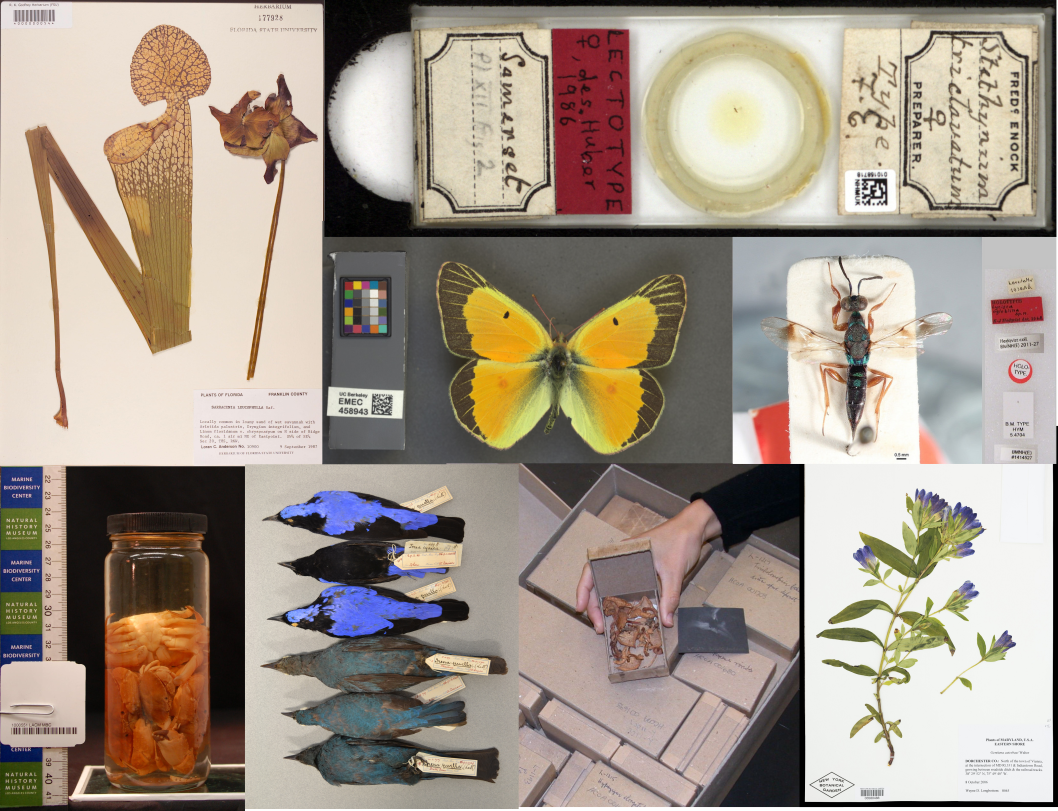
Natural history museums across the world share a common goal – to conserve and make available knowledge about natural and cultural heritage. The Notes from Nature project gives anyone with internet access the opportunity to make a scientifically important contribution towards that goal. Every transcription that is completed at Notes from Nature brings us closer to filling gaps in our knowledge of global biodiversity and natural heritage.
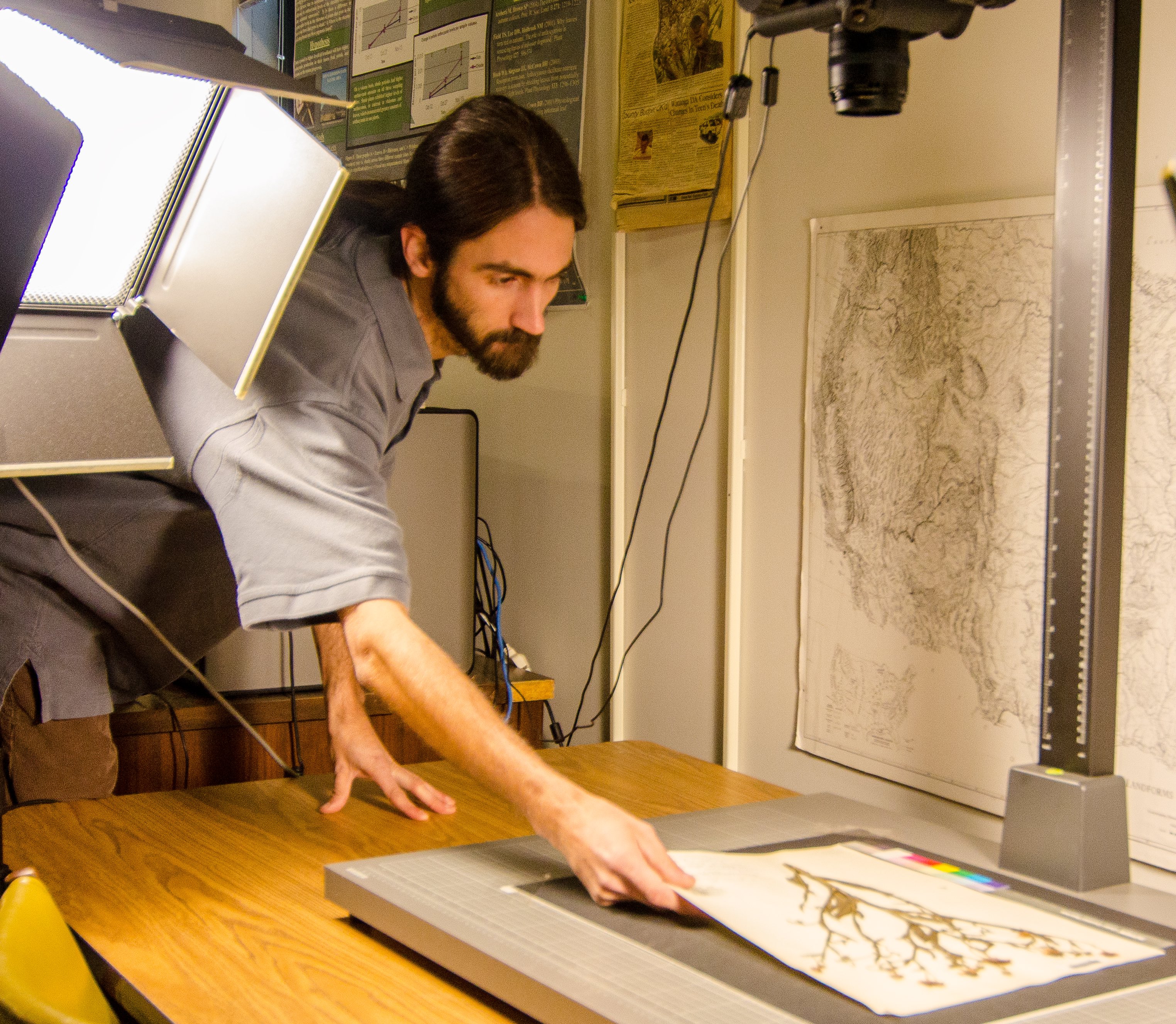
The challenge of making natural history data available for the broadest use is enormous. Today, there are ~10 billion specimens housed in natural history museums around the world. These biological collections document where species and populations exist now and where they existed decades and centuries before, so they hold irreplaceable information necessary for uncovering the patterns of changes in species distributions and ecosystem composition over time. Scientists and other stakeholders use such data and information in order to address key environmental issues we are facing right now, such as how biodiversity loss can impact human well-being, prosperity and health.
Today we celebrate 10 years of Notes from Nature and its role in making natural history data broadly available. Notes from Nature connects people with little previous experience in natural history to the wonders of the natural world. We mark this 10 year milestone by celebrating first and foremost the volunteers who have contributed over 4.7 million transcriptions to our site. We literally would not still be here if it were not for those that have contributed over the past 10 years. We also want to acknowledge our funder, the National Science Foundation, who has supported Notes from Nature through multiple grants. The Zooniverse has provided not only development and maintenance of the platform that Notes from Nature runs on, but also guidance and expertise in what they like to call “people powered research.” Lastly, we want to acknowledge our science partners who provide engaging content, critical science questions and dissemination of data contributed by Notes from Nature volunteers to the general public.

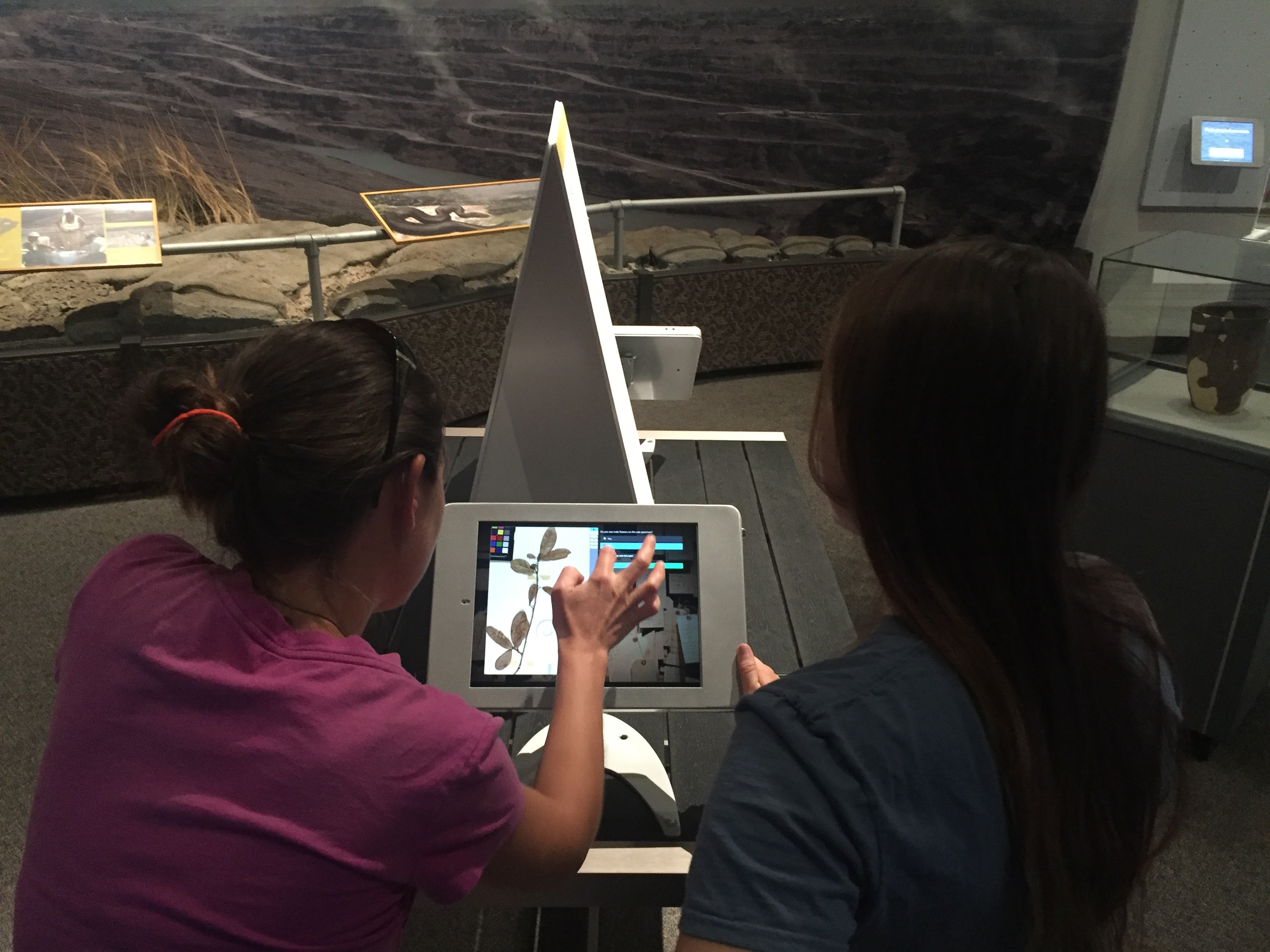
- The Notes from Nature platform has amassed 4.7 million transcriptions since launching 10 years ago
- Over 585 distinct expeditions have been completed
- Approximately 18,000 individuals that have contributed to the project
- Hosted dozens online and in person events such as transcription blitzes as well as formal and informal educational events for middle school level and above.
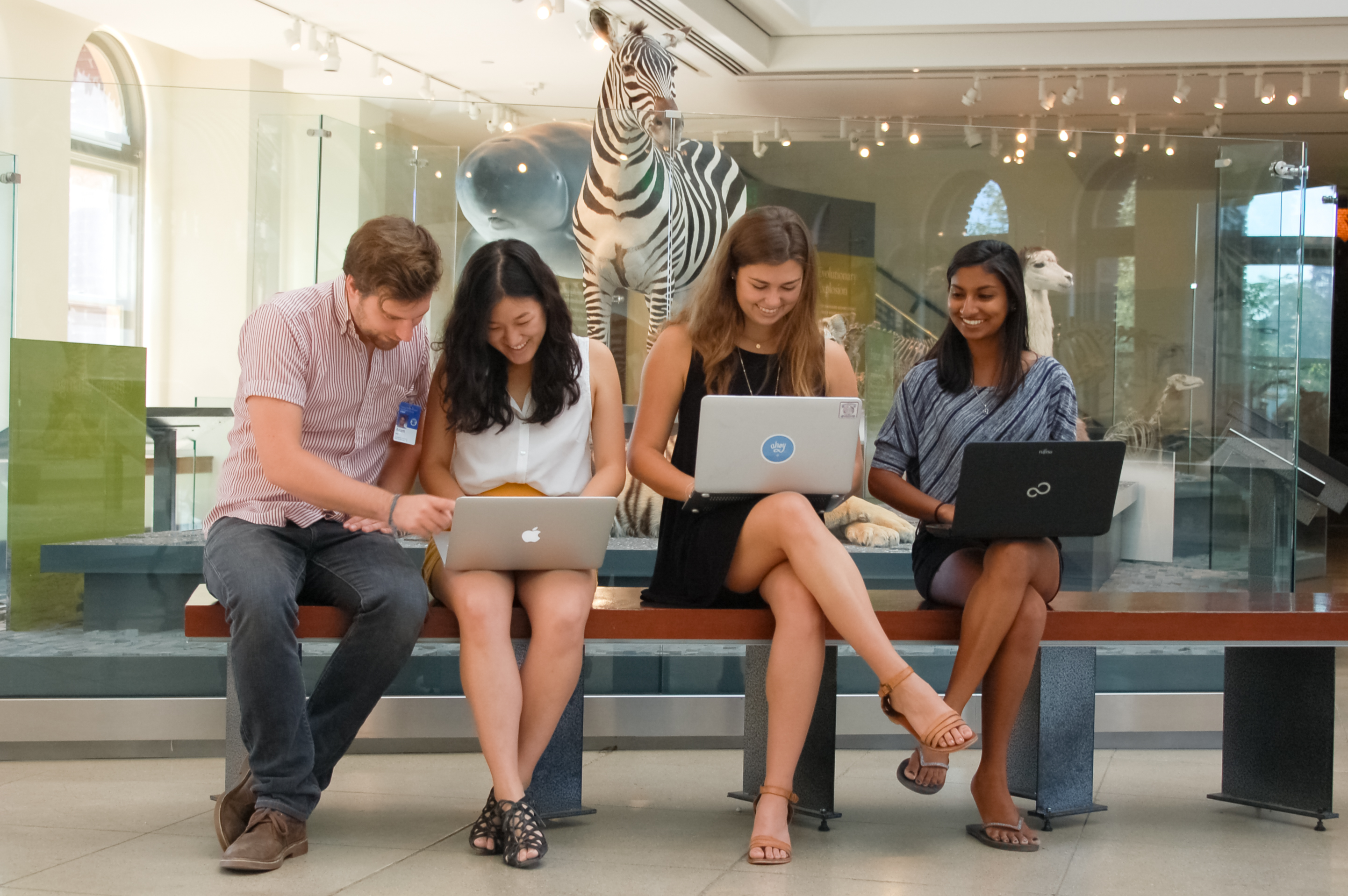
The next steps for Notes from Nature involve novel tools that will help make more efficient use of human efforts. Notes from Nature is an activity working on machine learning approaches that work in conjunction with community science approaches. We anticipate that machine learning will eliminate the need for human transcription in some cases, but certainly not all. Our goal is not to replace human effort, but to make better use of it. The challenge of making natural history data available for the broadest use is enormous and we need to use human effort where it is most needed such as interpreting handwritten text or applying local knowledge to people and locations to make accurate interpretations of historical specimens and information. In the coming year we are actively working to make Notes from Nature a truly next generation platform and at the same time improve volunteer experiences.
WeDigBio 2023 – Appreciation
We closed out the last day of WeDigBio April 2023 with over 2,800 classifications. That puts Notes from Nature at over 11,300 for the event. Thanks to all that made it possible!
The beetles were very popular this year closing out the week with over 4,800 classifications! If you missed the California collections tour, you can find it on YouTube. The recording of the symposium on the Major Motivations Across Scale for Digitizing Biodiversity can be found on Vimeo.
WeDigBio is now twice a year so please mark your calendar for October 12–15, 2023.
There are still lots of expeditions from a wide variety of organisms available on our site. As always feel free to contribute anytime and help by spreading the word.
— The Notes from Nature Team
WeDigBio 2023, Day 3

Thanks to everyone that contributed to Notes from Nature during Day 3 of WeDigBio 2023! We received over 2,900 classifications.
It was a big day for bees and Arkansas plants. We even completed the first Bees of the Canadian National Collection expedition. Thanks for all your efforts!
We hope everyone is enjoying the last half day or so of WeDigBio 2023. As always we’d love to hear from you if you have feedback about the event or anything else really. Please feel free to leave us some thoughts on the main Notes from Nature Talk board or you can always send a direct message to the Project Coordinator Michael @md68135 too.
— The Notes from Nature
 Notes from Nature