
WeDigBio 2021, Day 3 Summary
Thanks to everyone that joined us during Day 3 of WeDigBio 2021! Notes from Nature received over 5,600 classifications.
The New York Botanical Garden project was very active again yesterday, as was the Terrestrial Parasite Tracker project. We were also delighted to see so many classifications on the Labs expedition Label Babel 2. The Label Babel 2 expedition is different from many other expeditions and we are particularly excited to see the results once it’s complete.
Our volunteers have shared so many exciting discoveries. Yesterday this very rare orchid appeared in one of our active expeditions. It is a Vanilla species that is now presumed extirpated from the United States. It does still occur in the West Indies region. Culinary vanilla is extracted from other species of the same genus.

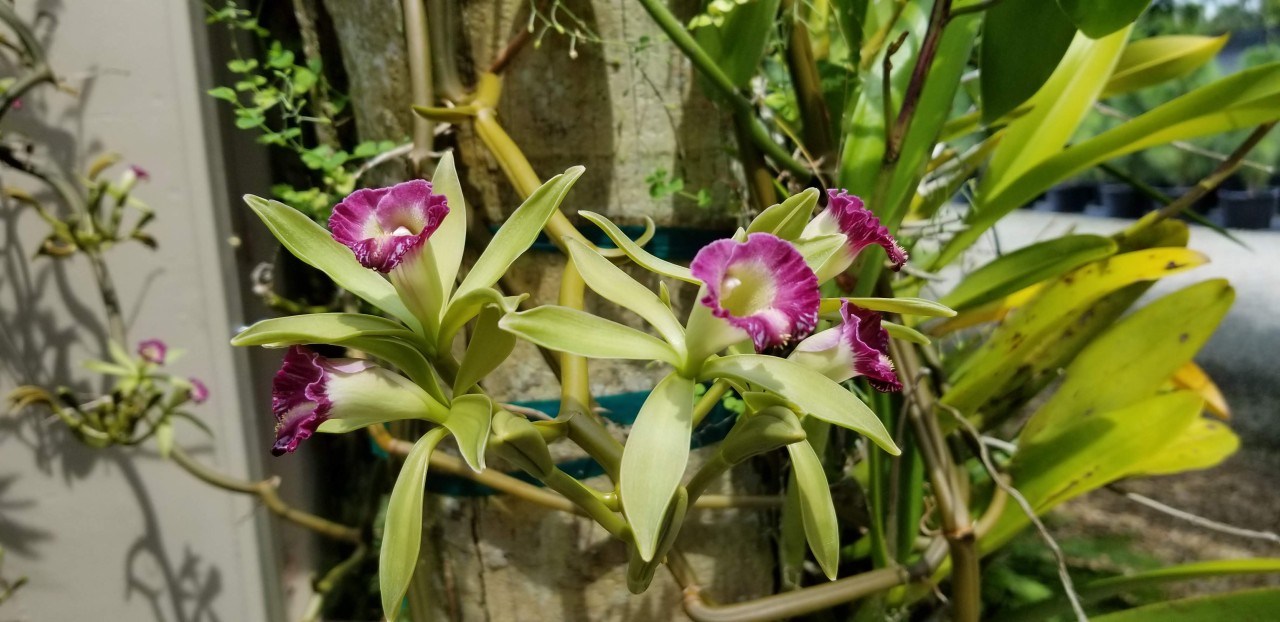
Vanilla dilloniana specimen from New York Botanical Garden (left). Image of cultivated Vanilla dilloniana specimen. Image and a write up about this plant worth checking out by Alan H. Chambers.
We hope everyone is enjoying the last day (few hours really!) of WeDigBio 2021. As always we’d love to hear from you. Please feel free to leave us some thoughts on the main Notes from Nature Talk board or you can always send a direct message to the Project Coordinator Michael @md68135 too.
— The Notes from Nature
WeDigBio 2021, Day 2 Summary
It was a productive and exciting day of WeDigBio. Notes from Nature received over 5,800 classifications.
The New York Botanical Garden project was very active with over 800 classifications. One of our volunteers found an amazing Umbrella Fern from New Zealand. It’s called Sticherus cunninghamii and has distinctive umbrella-like leaves.
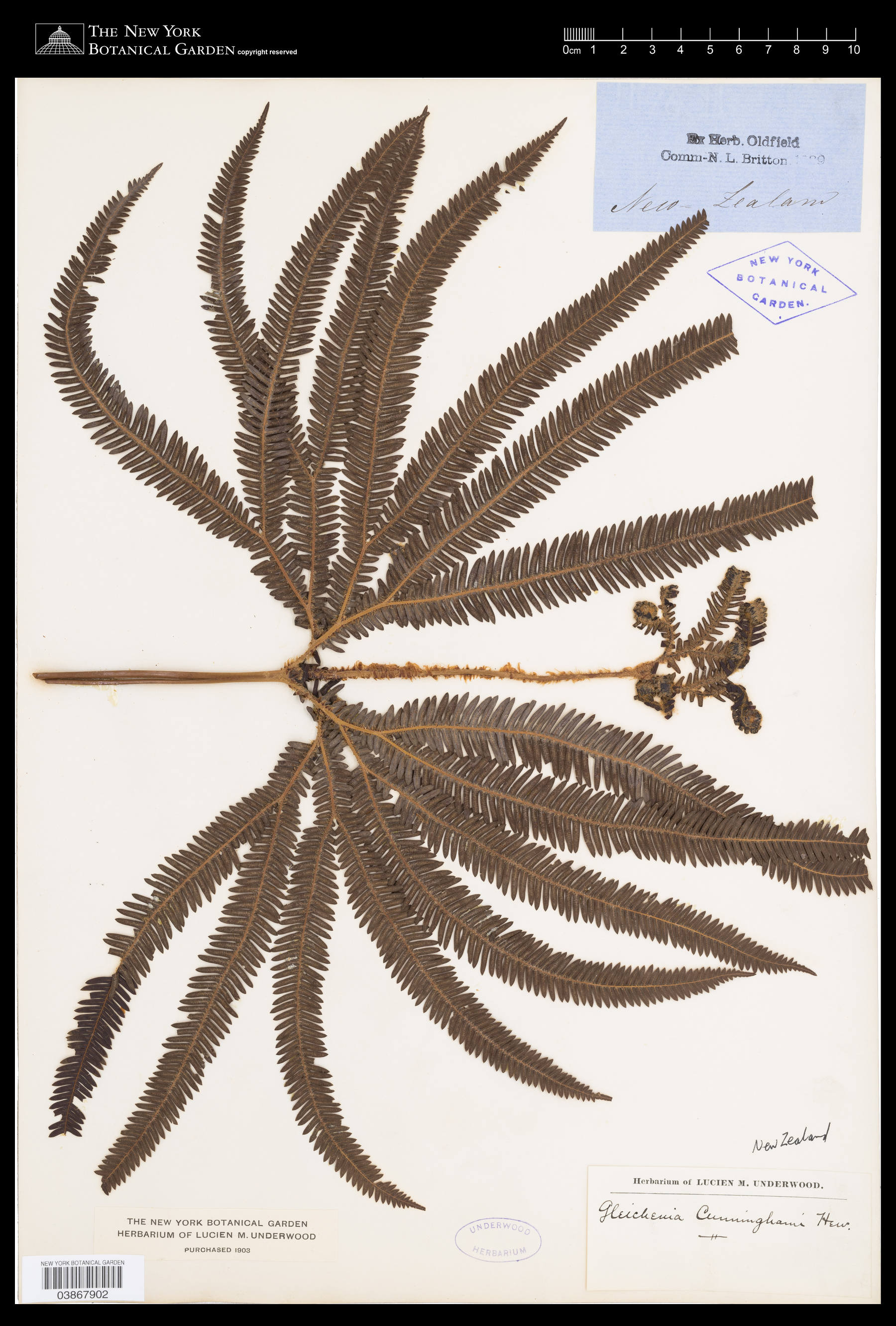
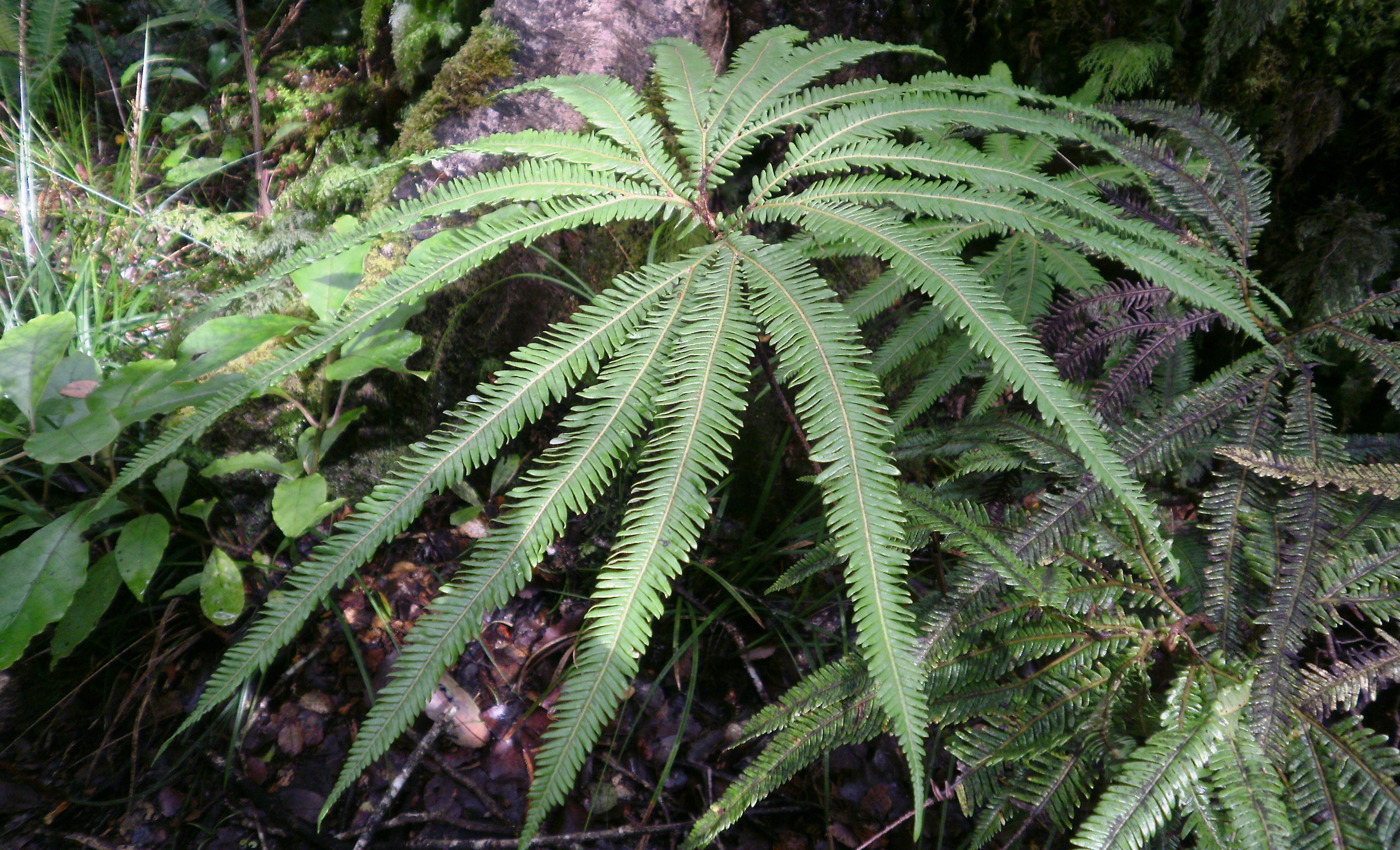
A specimen of Sticherus cunninghamii from New York Botanical Garden (left). Field image showing the plants distinctive umbrella like stature, photo by Rudolph89 (right).
We hope everyone is enjoying Day 3! In case you missed it, we posted a new video about Notes from Nature. Check it out and let us know what you think. It’s also on Facebook and Twitter if you want to share it and help spread the word.
— The Notes from Nature Team
WeDigBio 2021, Day 1 Summary
It was an great first day of WeDigBio 2021. We started off with 12 active Projects, 25 expeditions. The parasite, invertebrate and plant expeditions were particularly active. In total Notes from Nature received over 5,100 classifications.
We came across some incredible specimens yesterday as well. For example, the CalBug Project currently has an expedition of Cuckoo Wasps. They are called “cuckoo” after the birds of that name these wasps exhibit a behavior similar to cuckoo birds. They lay their eggs in the nests of unrelated species and some eat the host insect’s eggs or larvae. You can find more information about these wasps on Notes from Nature Talk.

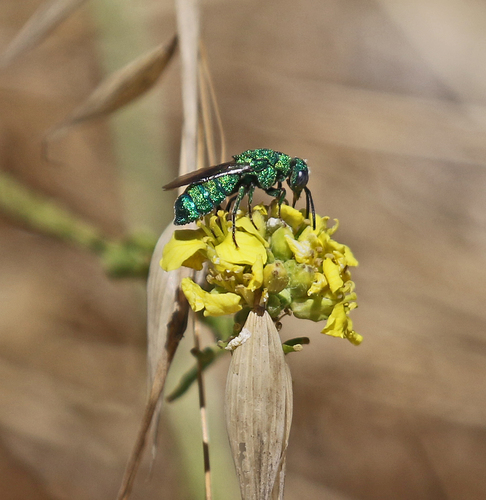
A specimen (left) and field image (right) of cuckoo wasp Parnopes edwardsii. Left image Robin Gwen Agarwal CC BY-NC.
We are excited and ready for Day 2. A reminder that we have more public talks and events today. We also hope that some of you are enjoying your new badge right about now.
In gratitude,
— The Notes from Nature Team
Call to action! (WeDigBio 2021)

WeDigBio 2021 is underway. WeDigBio is a global event that focuses on digitization of natural history museum specimens. The focus of the WeDigBio event this year is on virtual digitization gatherings that will be hosted by museums around the world. Anyone is welcome to participate for all or part of the event from wherever they are.
This is where you come in right now!
Please consider our immediate call to action. Visit Notes from Nature’s organization page and complete 5 transcriptions on any of the 11 active projects right now. Dive into one of our many projects, select an expedition that interests you and transcribe away. We hope you enjoy and might even want to stay around for a while.
— The Notes from Nature Team
WeDigBio 2021 starting soon!
WeDigBio 2021 is starting soon (depending on your time zone of course)! This 4 day event will take place from April 8-11.
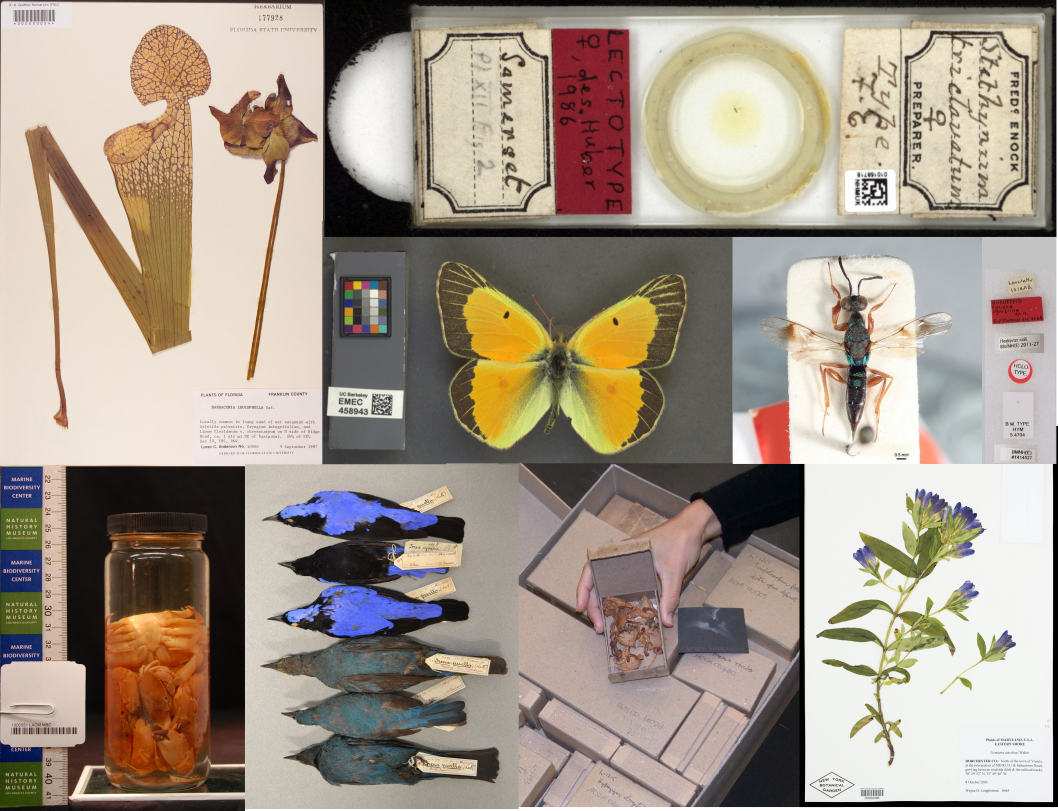
Below is a summary of some of things going on and expeditions that will be hosted. Remember that you don’t have to wait for the event to officially start, you can come and go as you please and stay as long as you like. Just visit notesfromnature.org, select any Project to work on and then any of the expeditions that are listed under ‘Get started ⬇.’
Botanical Research Institute of Texas
Florida Museum of Natural History
Lastly, don’t forget to try and earn your WeDigBio 2021 badge.
— The Notes from Nature Team
WeDigBio 2021 Badge
We are excited to roll out another new badge just in time for WeDigBio 2021. Our hope is to have a new badge for each year, so this one is the WeDigBio events taking place in 2021.
You can earn the badge by doing 10 classifications anytime during the event (between April 8th and April 11th, 2021 and the next event later this year). Remember that you can see your earned badges as well as the ones you are still working towards on your Field Book. Note that Field Books are specific to a project, so you’ll need to do 10 in the same project to earn the badge. You can find out more about the Field Book in a previous blog post.
Thanks and we hope you enjoy this year’s event!
— The Notes from Nature Team
WeDigBio Events: New York Botanical Garden (NYBG)
The New York Botanical Garden invites you to participate in citizen science and learn about biological collections during WeDigBio 2021.
Join us April 8 – 9 for a series of online events showcasing NYBG’s historic collection, research talks by contemporary botanists, and new virtual expeditions featuring orchids and epiphytic plants! At the end, gather virtually with other community scientists to meet, share experiences, and have fun while working together as a team on NYBG projects!
**See our NYBG WeDigBio homepage or learn more & REGISTER for our events below**

Virtual Tour of the Steere Herbarium
Thursday, April 8; 11–11:45 a.m. EDT – REGISTER on ZOOM
Explore ways that scientists study plants during a behind-the-scenes visit to the Steere Herbarium, one of the largest collections of preserved plant specimens documenting plant life around the globe over the past 300 years. Learn how these collections can be used in conservation work and to study climate change. See wild relatives of crops, invasive species that have taken hold in different regions of the world, and herbarium specimens of extinct plants that no longer grow on Earth.
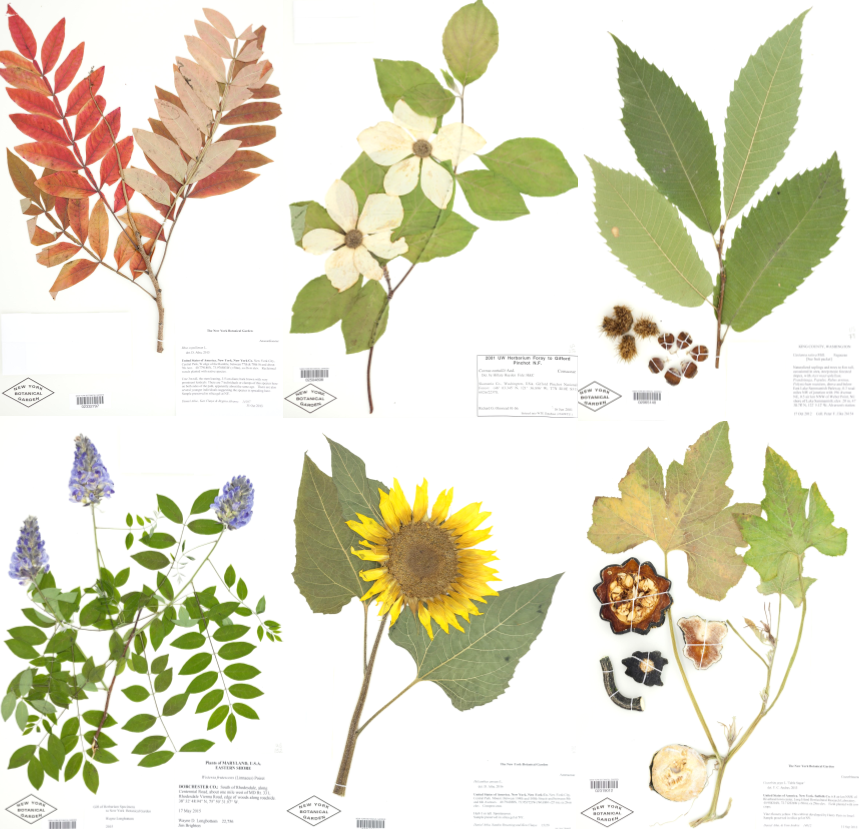
Citizen Science Workshop
Thursday, April 8; 2–3 p.m. EDT – REGISTER ON ZOOM
Learn how to participate in Virtual Herbarium Expeditions and support the work of scientists to describe and conserve plant biodiversity! This introductory workshop will train beginner citizen scientists how to interpret plant specimen labels, research botanical archives, and record critical details about the history and geographic origin of scientific collections at NYBG.

Webinar: Spotlight on Herbarium Research: Epiphytes!
Friday, April 9; 11 a.m.–12 p.m. EDT – REGISTER ON ZOOM
Citizen Scientists have contributed to rapid acceleration in the digitization of botanical specimens in the past decade resulting in unprecedented access to information about the plants of our world. This expansion has enabled new research applications, boosted the efficiency of species discovery, and encouraged collaboration across continents. During this hour, listen to perspectives from three botanists who study epiphytic plant families included in NYBG’s Virtual Herbarium Expeditions, and learn how they use digitized specimens and data for biodiversity research and conservation.
ORCHIDS: Matthew Pace, Assistant Curator, The New York Botanical Garden, USA
FERNS: Alejandra Vasco, Research Botanist, Botanical Research Institute of Texas, USA
BROMELIADS: Julián Aguirre-Santoro, Assistant Professor, Instituto de Ciencias Naturales, Colombia
NYBG WeDigBioBlitz!
Friday, April 9; 2–4 p.m. EDT – REGISTER ON ZOOM
Gather virtually with citizen scientists of all experience levels to participate in NYBG’s Virtual Herbarium Expeditions! Experts will be in attendance to answer questions, troubleshoot challenges, facilitate discussion, and provide context for your specimen discoveries.
WeDigBio events: California Phenology Network
Join the California Phenology Network for a virtual event to help “digitize” the flora of California! They have thousands of images of specimens, but know little about the plants that those images contain. In this event, they will transcribe data from specimen images using an easy-to-use online interface at NotesFromNature.org. There will be games, prizes, and a short presentation on the importance of herbaria!
More information and registration: https://www.capturingcaliforniasflowers.org/wedigbio.html
WeDigBio events: Arkansan botanists presenting about plants from near and far
The Plants of Arkansas project invites you to join us for three public presentations via Zoom offered during the WeDigBio event. Please find the titles, presenter information, dates/times, and links to register in advance for the Zoom meetings below:
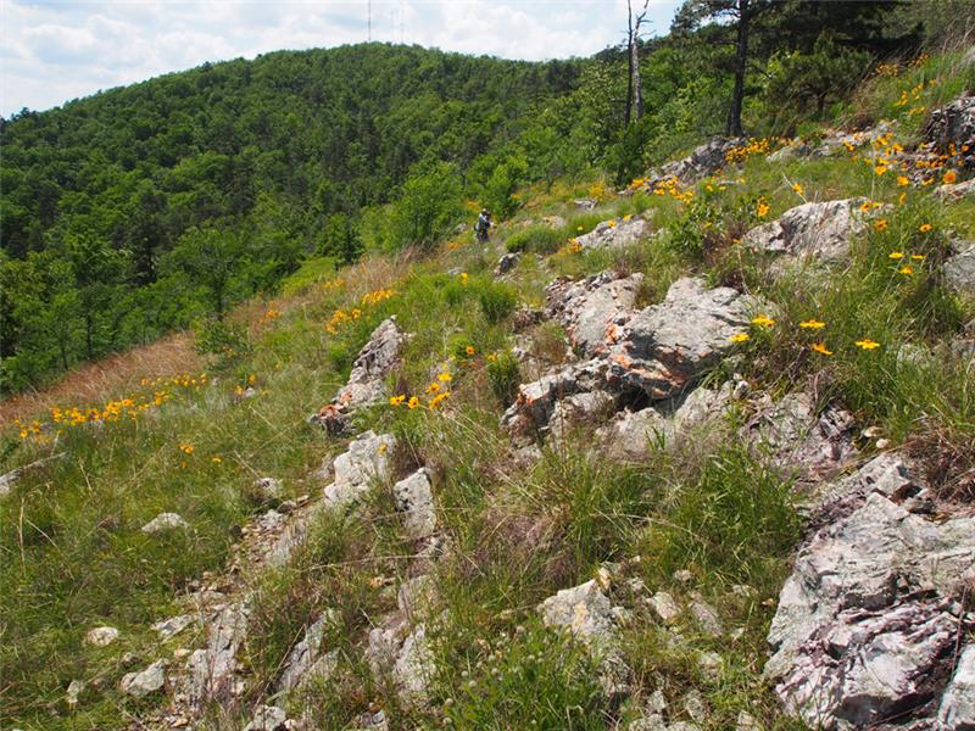
On Thursday, April 8 from 8:00 – 9:00 am CDT, the senior botanist and herbarium collections manager at the Arkansas Natural Heritage Commission, Brent Baker, will present “Glades of Arkansas.” If you transcribed specimens during the Glade Quest expedition series, this presentation will provide a lot of context about what glades are, the different types in Arkansas, and where they occur. He’ll also highlight glade plants in general and plants unique to certain types of glades. You can learn about the globally rare novaculite glades only found in the Ouachita Mountains, which we’ll be transcribing soon!
Register in advance for “Glades of Arkansas”:
https://ufl.zoom.us/meeting/register/tJctdu2uqjsiGtcvpKdYIFwr-l-y2NSgeuGl
On Friday, April 9 from 2:00 – 3:00 pm CDT, professor, associate chair, and curator of the Arkansas State University Herbarium, Dr. Travis Marsico, will present “The important role of herbaria in recent discoveries of invasive species risk from hitchhiking propagules at international seaports.” This seminar will focus on collaborative research investigating the introduction and risk associated with hitchhiking Federal Noxious Weeds and other non-native species. Some interesting taxonomic complexity associated with introduced species will be discussed, and the role of herbaria as permanent repositories of vouchers, including the cryptic Glandularia, and centers of research will be emphasized.
Register in advance for “The important role of herbaria in recent discoveries of invasive species risk from hitchhiking propagules at international seaports”:
https://ufl.zoom.us/meeting/register/tJUrdeisrjIuG9FaVB45OVsWyuitWLzETA7h

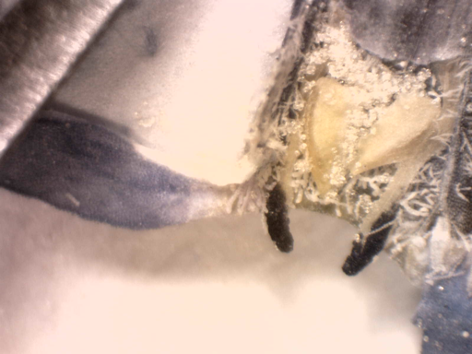
Left: Collection of Glandularia tenera from the Port of Savannah, Georgia, USA. Above: Dark colored projections beyond the anthers of the flower of G. tenera, a diagnostic feature of the species.
On Saturday, April 10 from 11:00 am – 12:00 pm CDT, Dr. Travis Marsico will present “Plant species discoveries on Isla de Ometepe, Nicaragua.” This seminar will focus on graduate student research from Hazel K. Berrios and a sabbatical trip from Dr. Travis Marsico that investigated plant distribution patterns along the elevation gradient of Volcán Maderas in Nicaragua. Plant identifications are ongoing, and interesting finds, such as rare and endangered fern species, will be emphasized.
Register in advance for “Plant species discoveries on Isla de Ometepe, Nicaragua”:
https://ufl.zoom.us/meeting/register/tJElduGprz8uHtUtTSVk7EKGiR2hGMK71OlZ
After registering, you will receive a confirmation email containing information about joining the meeting.

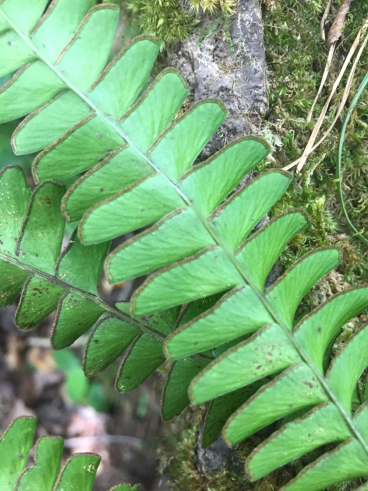
Above left: Lindsaea arcuata, an endangered fern species, growing on Volcán Maderas, Isla de Ometepe, Nicaragua. Above right: abaxial leaf surface of L. arcuata, showing the marginal sori.
WeDigBio 2021 Save the Date

The Notes from Nature team is very excited about WeDigBio 2021. The event will take place April 8 – 11. More information to come as we finalize our plans for this event. We hope you join us! In the mean time if you are interested in hosting an expedition on Notes from Nature for the event please fill out our interest form as soon as you are able.
More about WeDigBio:
Worldwide Engagement for Digitizing Biocollections (WeDigBio), is a global data campaign, virtual science festival, and local outreach opportunity, all rolled into one. This 4-day, twice a year event mobilizes participants to create digital data about biodiversity specimens, including specimen slides, plants on sheets, insects on pins and more. This year you can expect lots of online events and webinars that you can join as your scheduling and interest allows.
— The Notes from Nature Team
 Notes from Nature